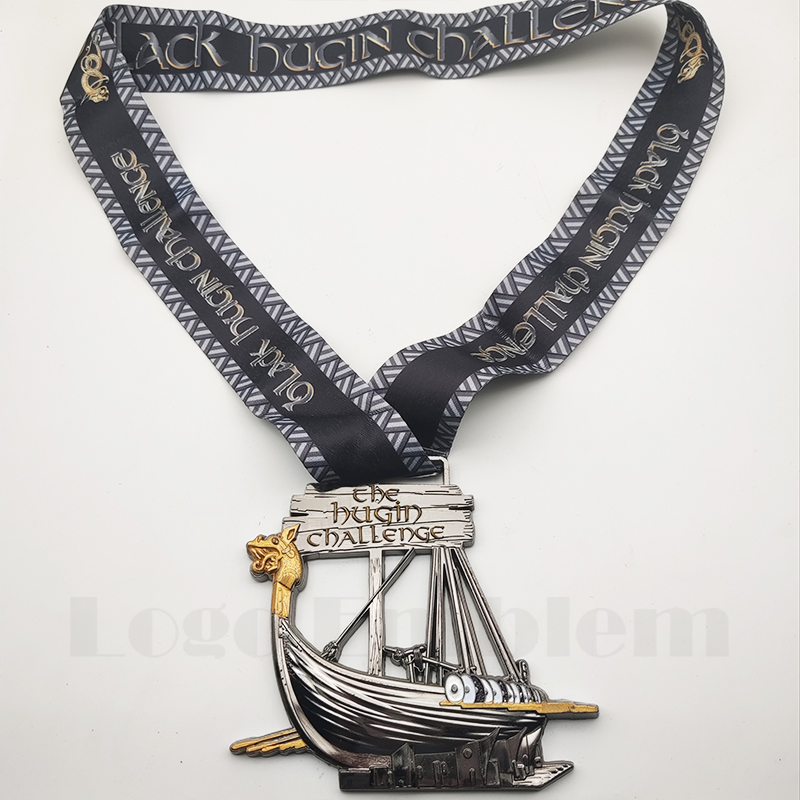
For race directors and event organizers, the finisher medal is much more than a simple race-day handout. It acts as a highly tangible retention tool. It also serves as a core piece of word-of-mouth marketing for future events. Whether you organize a local criterium, a grueling endurance road race, or a harsh mountain bike (MTB) challenge, participants remember the event. They often judge the value of their immense suffering partly by the quality of the hardware you place around their necks at the finish line.
Designing high-quality cycling finisher medals requires a careful balance. You must weigh aesthetic ambition against strict manufacturing realities. Creative elements like complex geometry and multi-level reliefs look amazing. However, you must align them with practical limits. These realities include overall item weight, essential weather resistance, and firm bulk production timelines. You want pieces that riders proudly display for years. A great design builds lasting event prestige.
Key Takeaways
Material Selection: Zinc alloy remains the industry standard for custom dimensional designs, offering the best balance of weight, durability, and cost for large-scale events.
Dimensional Impact: Upgrading from standard flat designs to a 3D medal significantly increases perceived value without proportionally inflating unit costs.
Weatherproofing: Outdoor cycling events demand durable surface treatments; hard enamel and UV-printing provide superior resistance to moisture and wear.
Procurement Strategy: Partnering directly with manufacturers who offer transparent 50/50 payment terms, free artwork, and pre-production samples mitigates the biggest risk for race directors: missed delivery deadlines.
The Business Case for Premium Cycling Finisher Medals
We must first frame the basic success criteria for race awards. The quality of your sports medals directly impacts future registration renewals. Cyclists train for months. They endure immense physical pain. A cheap-feeling award instantly diminishes the perceived prestige of the entire event. Conversely, a heavy, beautifully sculpted piece encourages riders to post photos online. This drives organic social media marketing. It builds immense anticipation for your next race calendar.
You must segment your audience carefully. Different disciplines require different design approaches. Road racing and criteriums focus heavily on speed. Their designs should feature sleek lines. You should incorporate aerodynamic motifs or sharp, fast typography. Endurance and MTB events demand a totally different aesthetic. These riders face dirt, rocks, and steep climbs. Their awards should focus on ruggedness. You can use aggressive gear shapes or sprocket imagery. Heavier weight profiles work perfectly here.
You also need to establish clear structural differences between general awards and podium prizes. General finishers receive the baseline design. Tiered podium spots require something special. You can separate the Overall Winner and Age Group Champions using varied plating. Gold, silver, and bronze finishes remain the universal standard for top performers. You can easily apply these different platings to the same base mold. This strategy keeps your production costs highly efficient while adequately rewarding your fastest riders.
Structural Design: Shape, Thickness, and 3D Relief
Material selection forms your baseline. We highly recommend zinc alloy. It serves as the absolute superior base metal for complex custom shapes. Standard iron cannot handle deep multi-level sculpting. Stamped brass falls short for intricate cut-outs. Zinc alloy melts smoothly. It flows perfectly into highly detailed custom molds. It offers excellent durability.
You must understand the difference between flat and sculpted reliefs. A standard 2D metal design works best for budget-conscious community rides. It relies on simple raised metal lines. Recessed areas hold basic enamel color. Upgrading to a 3d medal changes everything. It captures the dynamic motion of a sprinting cyclist. It shows the true curvature of bike wheels. You can even sculpt topographical landscapes of your specific race route. Die-casting makes this multi-level sculpting possible.
Advanced geometries represent a massive rising trend. Cut-out designs hollow out negative space. You can recreate realistic wheel spokes. Geometric hill-climb themes look incredibly striking. Many race directors now order interlocking shapes. We also see magnetic splicing designs for multi-stage series. Riders collect separate pieces across multiple weekends. They snap them together to form one giant master puzzle.
You need to know standard industry specifications. Poor dimensions ruin good designs. We recommend the following baseline measurements to ensure the award feels substantial in the hand:
Event Type
Recommended Diameter
Ideal Thickness
Base Material
Community Charity Rides
2.0 - 2.5 inches
2.0 mm
Iron / Zinc Alloy
Competitive Racing
2.5 - 3.0 inches
2.5 - 3.0 mm
Zinc Alloy
Elite / Multi-Stage Series
3.0 - 3.5+ inches
3.0 - 4.0 mm
Zinc Alloy
Surface Finishing and Color Application (Durability Focus)
Cycling awards face a unique weather challenge. You award them outdoors. Riders cover them in rain, sweat, and mud. The surface finishing must resist aggressive corrosion. It must fight oxidation. A beautiful design means nothing if it rusts within a month.
We use a strict enamel evaluation framework. Soft enamel is highly cost-effective. It offers a classic textured feel. You can physically feel the metal ridges separating the colors. However, soft enamel exposes the metal. You must add an epoxy dome coating. This clear dome protects against harsh weather. Hard enamel provides a premium alternative. Factory workers bake it flat. They polish the surface entirely smooth. It feels incredibly premium. It resists scratches effortlessly. Hard enamel remains the best choice for serious endurance events.
You should consider modern alternatives for complex artwork. Traditional enamel cannot handle gradients. It fails at tiny photographic details. We introduce UV-printing directly onto the metal medal for these situations. This process prints intricate, full-color gradients. You can match a race sponsor's exact corporate brand guidelines. You can print a specific sunset landscape from your course. UV-printing solves the limitations of liquid enamel.
Plating options dramatically alter the final look. Shiny finishes include imitation gold and bright nickel. They reflect light beautifully. Antique finishes include antique bronze and black nickel. Factory workers brush dark chemical washes over the metal. This wash settles into the recessed valleys. It creates stunning contrast. Antique finishes better highlight complex reliefs. They also hide oily fingerprints perfectly.
The Ribbon: Sublimation Matching and Attachment Logistics
You should never treat the ribbon as an afterthought. It acts as an essential canvas. It provides valuable physical real estate. You can display primary sponsor logos here. You can print exact event dates. You can list specific distance categories like 100K or 50K. A well-designed ribbon elevates the entire package.
Sublimation printing represents the modern gold standard. Heat-transferred ribbons allow for seamless color application. The ink actually turns into gas. It embeds directly into the fabric fibers. This allows for edge-to-edge gradient printing. It perfectly matches the exact Pantone colors used in your metal enamel. It never cracks or peels over time.
We recommend strict sizing dimensions. Use a standard 900mm length. Combine this with a 25mm or 38mm width. These dimensions ensure the hardware sits correctly on an adult rider's chest. Too short, and it strangles the neck. Too long, and it swings awkwardly near the stomach.
Attachment Styles
Standard Sewn V-Neck: Workers sew the ribbon directly to a top loop. It is a classic, highly cost-effective approach.
Slotted Metal Loops: The metal piece features a wide cut-out slot. The ribbon threads cleanly through the slot for a broader drape.
Hidden Bar Attachments: The ribbon loops behind the main metal body. It hides the attachment point entirely. This creates a very modern, floating presentation.
B2B Procurement: Mitigating Risks and Managing Timelines
Evaluating manufacturers requires extreme diligence. Race directors should thoroughly evaluate their factory partners. You should actively look for suppliers offering true factory direct pricing. Avoid promotional middlemen. Middlemen add unnecessary markups. They also delay critical communication. Direct factory access gives you control over the technical production steps.
The proofing process determines your final quality. Emphasize the necessity of free artwork services. A good partner digitizes your sketch into a technical manufacturing blueprint. You must demand a physical sample. If time is extremely short, demand a high-resolution photo sample. Never authorize bulk production without seeing a finished prototype. Catching a spelling error on a photo sample saves your entire budget.
You must respect the reality of lead times and scalability. Manufacturing takes actual time. Do not rush the process. We recommend the following schedule:
Weeks 1-2 (Design Phase): Finalize concepts, approve digital blueprints, and adjust dimensions.
Weeks 3-4 (Mold & Sample): The factory cuts the steel mold. They cast a physical prototype for your final approval.
Weeks 5-7 (Bulk Production): Die-casting, polishing, plating, and hand-enameling occur.
Weeks 8-10 (Shipping): Quality control checks finish. Freight or air shipping brings the goods to your door.
Financial protections keep your event budget safe. Advise your finance team on standard, trustworthy payment terms. You should pay a 50% deposit to start production. This covers the raw materials and mold fees. You pay the remaining 50% balance only upon seeing photographic proof of the finished bulk batch. Do this prior to shipping. This standard practice protects both you and the factory.
Conclusion
Designing truly memorable awards requires a strategic approach. You must combine robust zinc alloy, dynamic multi-level sculpting, and weather-resistant finishes. When you respect both the artistic vision and the manufacturing limits, you create a piece riders truly cherish. These items become badges of honor.
Your next steps are clear. Gather your specific event branding assets. Finalize your estimated participant headcount. Then, reach out to a vetted manufacturer. Request a free digital proof to baseline your upcoming costs. Proper planning ensures a flawless finish line experience.
FAQ
Q: What is the standard mold fee for custom 3D medals?
A: Die-casting requires a custom steel mold. You usually pay a one-time setup fee per design. This fee generally ranges between $50 and $150. This upfront cost makes bulk orders highly cost-efficient. You do not pay this fee again on future exact reorders.
Q: Can we personalize medals with individual rider names or times?
A: Yes. You can request a smooth, unplated area on the back. We often use laser engraving for specific titles like "Age Group Winner" before shipping. Alternatively, you can leave the back entirely blank. You can then hire a local engraver to personalize them onsite after the race.
Q: What is the minimum order quantity (MOQ) for custom cycling medals?
A: Standard industry MOQs typically sit around 100 units per design. You can produce smaller batches if necessary. However, smaller batches carry a noticeably higher unit cost. The factory must spread the fixed custom mold fee across fewer overall units.
Q: How do we ensure the medals arrive before race day?
A: Start the process 10 weeks early. Always build buffer weeks into your schedule. Approve your digital proofs quickly. Ensure you understand the timeline difference between sea freight and air shipping. Always demand clear tracking numbers once the final balance clears.
Transform your brand IP into durable 3D figure trophies. Learn design for manufacturability, material selection, and scaling from prototype to volume production.
Want to make custom keychains? Soft PVC keychains are durable and versatile. They're perfect for gifts or promotions.This guide will teach you how to make soft PVC keychains step by step. From design to completion, you'll learn the whole process.At Logo Emblem, we provide high-quality, customizable soft PVC keychains. Learn more about our products today.