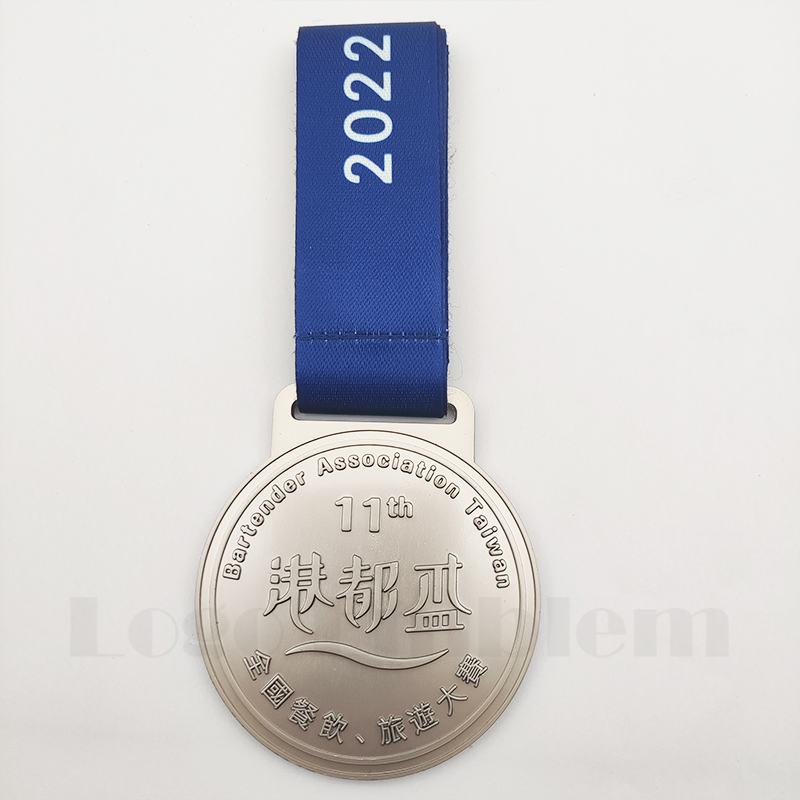
Effective corporate recognition programs require tangible awards. They must accurately reflect the company brand and the recipient achievement. Recognizing outstanding performance demands more than just a passing compliment. Upgrading from generic certificates or off-the-shelf items to bespoke pieces signals a higher level of investment. You clearly demonstrate your commitment to employee or partner success. A physical token of appreciation boosts morale and improves retention across your organization. Evaluating the technical specifications—from base materials to packaging—ensures the final product meets strict corporate standards. It also keeps your project from exceeding budget constraints. We will explore material selection, enamel choices, ribbon attachments, and packaging strategies below. You will learn everything needed to create a memorable presentation. This guide thoroughly covers vendor vetting and timeline management. You can build a robust recognition program by following these actionable steps.
Key Takeaways
Material Selection Drives Perceived Value: The choice between zinc alloy, brass, and iron dictates the weight, durability, and cost-effectiveness of the metal medal.
Finishing Touches Matter: Hard enamel and antique plating offer high-end durability, while standard soft enamel provides a cost-effective, textured alternative.
Presentation Amplifies Impact: High-quality award ribbons and premium packaging significantly influence the recipient's unboxing experience.
Vendor Vetting Mitigates Risk: Understanding die charges, minimum order quantities (MOQs), and production lead times prevents costly fulfillment delays.
Defining Success Criteria for Corporate Recognition Programs
Organizations must first establish clear goals before designing recognition items. A successful program requires awards aligned directly to core company values. You need strict design guidelines to ensure consistency. The final piece should feel like a natural extension of your corporate identity.
Establishing strict design guidelines ensures the award matches corporate aesthetics. Precise Pantone color matching is critical for logo accuracy. You must properly scale logos to maintain clarity on small surfaces. Complex designs often lose detail if the manufacturer scales them down too much. Clear guidelines prevent these costly design errors early in the process.
Audit Brand Assets: Collect vector files of your corporate logos and exact Pantone color codes.
Determine the Scope: Decide if the award represents a one-time event or a recurring annual milestone.
Define the Audience: Consider recipient preferences and the typical office environment.
Evaluating award formats involves understanding the presentation context. You must decide when a wearable piece is appropriate. A wearable item works perfectly for large banquets or team-building events. Sometimes a freestanding metal trophy or a heavy desktop plaque better suits the occasion. Desk items offer daily visibility for high-level executive achievements.
Setting budget and return-on-investment metrics keeps programs sustainable. Balancing per-unit costs against the intended lifespan of the award program requires foresight. You can easily amortize initial mold or die costs over multi-year recurring orders. A higher upfront investment often yields much lower unit costs in subsequent years. Planners must forecast ordering volumes over a three-year period to maximize these savings.
Core Design and Material Specifications
Selecting the correct base material dictates the entire feel of the finished product. The weight and texture tell a subconscious story about the value of the achievement. You must choose materials tailored to your specific design requirements.
Base Material Selection
Zinc alloy serves as the industry standard for custom metal medals today. It melts easily and flows into complex mold cavities. This material is ideal for complex 3D designs, intricate cutouts, and heavier perceived weight. Zinc alloy resists corrosion well and holds fine details beautifully. It provides a substantial feel in the hand without driving up manufacturing expenses.
Brass and iron provide excellent alternatives for traditional 2D stamping. Manufacturers stamp the design directly into these hard metals using immense pressure. Brass offers a premium feel for high-level awards. It carries a traditional heft and polishes to a brilliant shine. Iron provides a highly budget-friendly option for high-volume programs like 5K runs or large participant giveaways. Iron is lighter and more rigid but accepts enamel paints very well.
Base Material
Manufacturing Method
Best Use Case
Relative Cost
Zinc Alloy
Die Casting
Complex 3D shapes, cutouts, standard corporate milestones
Understanding the difference between 2D and 3D molding prevents mismatched expectations. A 2D design features distinct raised and recessed flat planes. The raised metal outlines contain the enamel paint. This style is best for clean, flat corporate logos. It maintains distinct color boundaries effectively.
A 3D design incorporates sculpted curves and multiple depth levels. It looks like a miniature bas-relief sculpture. You need 3D molding for sculptural elements, architectural renderings, or detailed portraits. Varying relief levels are required to capture realistic faces or buildings. Keep in mind 3D designs usually cannot hold enamel paint accurately on sloped surfaces.
Selecting Plating, Enamel, and Finishing Options
The surface treatment transforms a raw piece of metal into a stunning work of art. Plating colors and enamel types dramatically shift the visual tone. You should test different combinations digitally before committing to a physical run.
Plating and Metal Tones
Standard finishes include highly polished gold, silver, and copper or bronze tones. These classic colors perfectly represent traditional corporate milestones. They easily denote first, second, and third-place achievement tiers. Highly polished surfaces reflect light beautifully but tend to show fingerprints upon handling.
Antique and matte finishes offer a sophisticated alternative. Manufacturers apply a dark chemical wash over the piece and then polish the high areas. The dark wash stays in the recessed pockets. This technique is ideal for emphasizing 3D details. It also greatly reduces fingerprint smudges on frequently handled awards. Matte finishes use sandblasting to create an elegant, frosted look.
Color Application (Enamel)
Adding color brings corporate logos to life. Soft enamel is the most common color application method. The factory fills recessed areas with liquid enamel. The color sits slightly below the metal ridges. You can easily feel the raised metal lines when you run a thumb over the surface. Soft enamel creates a textured feel and remains highly cost-effective for standard awards.
Hard enamel utilizes a traditional cloisonné style process. Workers overfill the cavities with specialized paint. They bake the piece at a high temperature until the paint cures into a hard resin. Finally, they polish the entire surface flush. The color is baked and polished completely flat alongside the metal surface. This process offers maximum durability. It delivers a premium, jewelry-like finish ideal for prestigious executive recognition.
Best Practice: Use hard enamel for items recipients might wear on lapels daily to prevent scratching.
Best Practice: Avoid using enamel on highly curved 3D elements; the paint will pool unevenly.
Common Mistake: Choosing polished gold plating next to yellow enamel often results in poor visual contrast.
Integrating Brand Identity with Award Ribbons
The fabric component often receives secondary attention. This oversight diminishes the final presentation. A thoughtfully designed neck drape frames the metal piece beautifully. You should view the fabric as an extension of the award itself.
Moving beyond stock solid colors unlocks powerful branding opportunities. You can order fully custom award ribbons for a relatively low extra cost. Sublimation printing allows factories to dye complex patterns directly into the fabric. You can feature sublimated corporate logos, event names, or specific achievement tiers. Woven textures also provide a classic, collegiate feel for academic or training milestones.
Evaluating attachment styles is crucial for a smooth presentation. The V-sew style provides a traditional drape often seen on military decorations. It pins neatly to a lapel or chest pocket. The continuous loop style acts as a standard neck ribbon. You must choose the style based on how the award will be presented. Neck loops work best for stage crossings, while V-sew drapes suit intimate office presentations.
Hardware durability links the fabric to the metal. You must ensure jump rings and clasps are properly soldered or heavily gauged. A heavy metal medal exerts significant downward force. Weak rings will bend under the weight, causing the piece to fall and potentially shatter. Request closed or soldered jump rings from your vendor for maximum security.
Premium Packaging: The Final Presentation Layer
The unboxing experience sets the tone before the recipient even sees the award. Excellent packaging protects the item during transit. It also elevates the perceived value of the entire program.
Transitioning from standard packaging to premium options changes everything. Standard polybags protect against scratches but offer zero presentation value. You should explore presentation formats like velvet clamshell boxes or acrylic display cases. Custom-printed backing cards provide a middle ground. They allow you to print a personalized message or certificate behind the piece without the expense of a heavy box.
You must calculate how upgraded packaging impacts logistics. Heavy velvet boxes significantly affect bulk shipping costs. They take up much more warehouse space compared to flat items. Individual drop-shipping logistics for remote employees require sturdy outer mailers. A fragile acrylic case demands extra bubble wrap, increasing labor and postage costs.
Including desktop display options extends the lifespan of the award. Many recipients prefer not to hang items on their walls. Including add-ons like acrylic stands allows them to display pieces right on their desk. Small easels transform a traditional hanging item into a proud desktop centerpiece. This daily visibility constantly reinforces your company appreciation.
Vendor Evaluation and Implementation Timelines
Choosing the right manufacturing partner mitigates supply chain risks. You need a vendor capable of executing precise designs on time. Thorough vetting prevents stressful delays and subpar quality.
Assessing production capabilities requires asking detailed questions upfront. Verify a vendor ability to handle complex die cuts or internal hole cutouts. Ask them to provide physical pre-production proofs for large orders. A physical proof guarantees color accuracy and metal tone. Relying solely on digital renderings often leads to unexpected surprises upon delivery.
Understanding cost structures ensures you stay within budget. You must demand transparent pricing from the very beginning. Ask for line-item breakdowns including one-time die or mold charges. Clarify any hidden setup fees or color-matching costs. Review volume discount tiers carefully. Sometimes ordering 500 units costs only slightly more than ordering 350 units due to price breaks.
Managing lead times prevents major event disasters. You must map out standard production cycles accurately. Typical custom metal production takes 3 to 5 weeks from final artwork approval. Rush options exist but often incur hefty surcharges. You must also factor in international shipping buffers. Customs inspections or weather delays can freeze transit times unexpectedly. Always aim to have the final products in hand at least two weeks before the scheduled presentation event.
Conclusion
Sourcing effective custom corporate awards requires balancing structural design, finishing techniques, and presentation elements. You can elevate standard recognition programs by understanding base materials, 2D versus 3D molding, and enamel differences. Careful attention to fabric attachments and premium packaging guarantees a memorable unboxing experience for your recipients.
Prioritize vendors that offer transparent pricing on molds, comprehensive digital proofing, and scalable production to support long-term recognition programs. A reliable partner will guide you through technical specifications while keeping your budget intact.
Request a design consultation with a specialized manufacturer today. Review physical samples to understand weight and finish options. Submit your corporate artwork for a preliminary quote to start building a recognition program your team will truly value.
FAQ
Q: What is the standard lead time for manufacturing custom metal medals?
A: Standard production typically ranges from 3 to 5 weeks from artwork approval, though shipping times and seasonal volume can impact final delivery dates.
Q: How much does a custom die or mold cost?
A: Die costs vary based on size and complexity (2D vs. 3D), generally ranging from $50 to $300. This is typically a one-time fee, making exact reorders more cost-effective.
Q: Can we order custom metal medals with different plating finishes but the same design?
A: Yes. Using the same mold, vendors can usually produce a mix of gold, silver, and bronze plating to represent different achievement tiers without charging additional die fees.
Q: What is the difference between soft enamel and hard enamel?
A: Soft enamel leaves a textured surface where the metal ridges are raised above the paint. Hard enamel is polished flat, creating a smooth, durable, flush surface typical of high-end lapel pins and premium awards.
Transform your brand IP into durable 3D figure trophies. Learn design for manufacturability, material selection, and scaling from prototype to volume production.
Want to make custom keychains? Soft PVC keychains are durable and versatile. They're perfect for gifts or promotions.This guide will teach you how to make soft PVC keychains step by step. From design to completion, you'll learn the whole process.At Logo Emblem, we provide high-quality, customizable soft PVC keychains. Learn more about our products today.