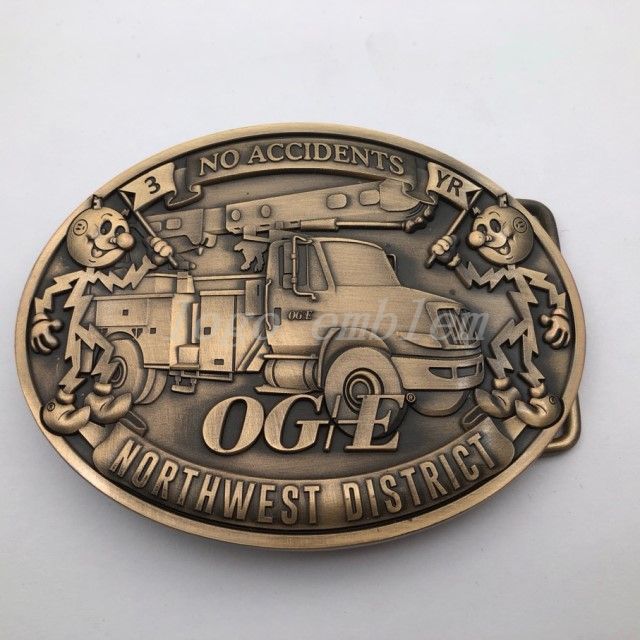
Event directors and corporate buyers often face a tough balancing act when planning recognition ceremonies. You want to hand participants a premium, heavy award they will proudly share online. However, strict procurement budgets and rigid event deadlines usually stand in the way. This dilemma frequently brings up the core 3D medal vs flat medal debate.
Selecting between these options goes far beyond simple aesthetic preference. It represents a strategic decision heavily influenced by manufacturing methods like die-casting and stamping. Your choice directly impacts base unit costs and overall brand perception. You need a clear way to navigate these options without overspending or missing race day.
We provide a transparent, evidence-based evaluation framework below. You will learn exactly how to choose the right custom design based on your required timeline, budget constraints, and intended emotional impact. We will break down the production realities so you can confidently order the perfect award.
Key Takeaways
Manufacturing Reality: 3D medals require die-casting (usually zinc alloy) for deep relief, while flat medals typically utilize stamping (iron or brass), directly impacting base mold costs.
Visual vs. Tactile: Flat medals excel in crisp logo reproduction and vibrant enamel color fills, whereas 3D medals leverage weight, thickness, and shadow for a tactile, premium feel.
Cost Scaling: 3D designs carry higher initial setup fees (mold costs) and slightly longer lead times, making them better suited for high-budget or large-scale events where mold costs are amortized.
Inventory Risk: Regardless of 3D or flat design, date-stamping the ribbon rather than the medal mold ensures leftover inventory can be reused next year.
The Craftsmanship Difference: Die-Casting vs. Stamping
The 3D medal vs flat medal discussion essentially boils down to two non-interchangeable forming methods. You cannot easily switch between them once you finalize your vector artwork. Each method dictates the metal type used and the ultimate physical texture of your final award.
Die-Casting: The 3D Engine
Die-casting serves as the foundational manufacturing process for 3D designs. Factory technicians inject molten metal into a highly complex, custom-carved steel mold under intense pressure. We typically use #3 zinc alloy for this process. Zinc alloy offers an exceptional balance of ductility and stability. It flows beautifully into deep crevices before hardening perfectly.
This injection process unlocks massive creative freedom. Manufacturers can craft varying thicknesses across the award surface. You can incorporate deep visual layers, heavily sculpted curves, and irregular cut-out edges. Zinc alloy die-casting transforms a basic concept into a miniature sculptural piece. The resulting item feels distinct and intricate.
Stamping: The Flat Standard
Stamping represents the traditional standard for flat awards. Instead of injecting molten liquid, a heavy machine die strikes a flat sheet of solid metal. Factories commonly use iron, copper, or brass for stamped items. The extreme pressure forces the metal sheet into the die cavity.
Keep in mind "flat" does not mean printed or completely smooth. It refers to a shallow, two-level relief design. You get raised metal borders alongside recessed background areas. This two-tier structure provides crisp, clean lines. It works flawlessly for minimalist designs needing precise visual boundaries.
Evaluating 3D Medals: Deep Relief and High-Impact Perception
When you hold a high-quality 3d medal, you immediately notice the psychological impact of its weight. Heavier, thicker awards trigger a genuine physical response. Tactile feedback stimulates dopamine release in the brain. This directly increases the perceived value of your sports event or corporate milestone. Participants intuitively associate heaviness with prestige and monumental achievement.
Best Use Cases for Deep Relief
Certain events naturally demand this sculptural approach. Event organizers lean on 3D elements to create buzz and excitement. We highly recommend die-cast designs for the following scenarios:
Architectural Landmarks: Capturing famous cityscapes or historical bridges requires structural depth.
Detailed Mascots: Animal fur, muscular curves, or character faces need layered shadows to look authentic.
Organic Shapes: Mountain ranges and ocean waves benefit immensely from varying metal thicknesses.
High-End Marathons: Major races use heavy, intricate awards to drive post-race social media sharing and boost next year's registration numbers.
Implementation Risks to Consider
You must also weigh several drawbacks before committing to this route. Custom 3D molds cost significantly more than standard dies. Machine operators take longer to carve deep, multi-layered cavities. Additionally, highly complex sculptural surfaces are notoriously difficult to color-fill. Liquid enamel cannot pool evenly on steep, rounded slopes.
To solve this color limitation, manufacturers often rely on antique plating. Antique gold, silver, or bronze finishes settle into recessed grooves. Factory workers then polish the raised areas. This contrast highlights the sculptural shadows perfectly without needing liquid color fills.
Evaluating Flat Medals (2D): Clean Aesthetics and Enamel Precision
Corporate brand awards and school athletics often default to flat designs. They do this for one vital reason: brand compliance. Flat stamping guarantees strict logo accuracy. The raised metal lines act as perfect retaining walls for soft or imitation hard enamel. This distinct separation ensures colors never bleed into one another.
A standard flat metal medal handles exact Pantone color matching flawlessly. If your corporate brand guidelines demand specific shades of blue and green, a 2D stamped design is mandatory. Liquid enamel fills the shallow, recessed areas neatly before curing in an oven.
Design Flexibility and Cost Efficiency
Flat manufacturing handles typography much better than deep relief casting. Small lettering remains legible because the die strikes clean, sharp edges. Geometric shapes and vibrant color contrasts pop beautifully across a uniform surface.
Cost efficiency remains a massive advantage here. Standard stamping avoids expensive deep-carving setup fees. You also gain access to a wider choice of budget-friendly base metals. Iron stamping offers an excellent entry point. You secure a durable, substantial award without sacrificing your entire event budget.
Cost, Timeline, and Scalability Breakdown
Budget constraints ultimately dictate many procurement decisions. You must understand how mold fees and production timelines interact. Custom 3D molds are significantly more expensive than standard 2D dies. The intricate CNC machining required for deep relief cavities demands specialized labor and longer setup hours.
Production Lead Times
You need realistic procurement expectations to avoid rush shipping fees. Manufacturers follow a strict sequence once you initiate an order. Standard custom orders require about 10 to 25 days for production after you approve the digital proof. Complex deep-relief molds may add extra days to your initial setup phase.
Consider this standard production timeline when planning your order:
Digital Proofing: 1 to 2 days to finalize vector art and confirm mold structures.
Mold Carving: 2 to 5 days depending on relief complexity.
Mass Production: 7 to 15 days for die-casting or stamping, followed by plating and enamel filling.
Quality Control and Shipping: 3 to 7 days for final inspection and transit.
Scale and ROI
Many buyers ask about polymer 3D-printed alternatives. We must address this misconception clearly. While polymer 3D printing is cheap for one to ten units, it fails at scale. Polymers lack the physical weight, cold touch, and premium durability of traditional die-cast items.
Traditional die-cast zinc alloy experiences massive economies of scale. Once you pay for the initial mold, unit costs drop sharply for orders exceeding 100 pieces. Traditional metal manufacturing easily beats newer polymer printing on price and quality at volume.
Budget Optimization Tip
Inventory waste drains event budgets faster than anything else. We strongly advise buyers to keep their core mold generic. Never engrave the specific event year directly onto the front metal surface. Instead, print the event year on the custom fabric neck ribbon.
This strategy protects you against "Did Not Start" (DNS) rates. Most races experience a 10% DNS rate due to weather or runner illness. If you date-stamp your ribbon, you simply reuse the leftover generic metal pieces next year. You only pay to reprint cheap ribbons.
Decision Matrix: Matching the Metal Medal to Your Strategy
You need a reliable framework to evaluate your options quickly. Different events require vastly different approaches. We often see competitive sports medals shift toward hybrid designs to balance these needs. Review the distinct categories below to finalize your procurement strategy.
Framework for Buyers
Choose a Flat Medal if: Your budget is tight. Timelines are highly compressed. Your design relies heavily on multiple specific brand colors. The award serves routine corporate recognition where clean typography matters most.
Choose a 3D Medal if: Your event relies heavily on the "unboxing experience". You want maximum social media impact for an endurance race. Your design features complex local culture elements. Your budget comfortably allows for premium edge finishing and heavier zinc alloy.
Consider Hybrid Options: You can often bridge the gap between cost and visual impact. A dual-approach works wonderfully. You might select a 2D flat front combined with premium dual-plating (mixing gold and silver). Alternatively, ordering an oversized flat piece creates a striking visual without the hefty deep-mold fees.
Quick Comparison Chart
Feature
Flat (2D) Stamping
3D Die-Casting
Best For
Corporate logos, vibrant colors, school events
Marathons, structural landmarks, mascot designs
Base Material
Iron, Copper, Brass
#3 Zinc Alloy
Setup Cost
Low to Moderate
High (Complex mold carving)
Enamel Coloring
Excellent (Precise boundaries)
Limited (Colors struggle on steep curves)
Tactile Feel
Clean, crisp, lighter weight
Heavy, premium, sculptural
Conclusion
Neither design is inherently "better" than the other. Choosing the right style is a strict calculation of event ROI, target audience expectations, and vector artwork suitability. Flat designs deliver unbeatable color accuracy and budget efficiency. Sculptural designs deliver unmatched weight and emotional prestige. Your decision must align directly with your overall event goals.
Take the following action-oriented steps to move forward:
Convert your concept into clean vector artwork formats like AI, SVG, or PDF.
Calculate your realistic order volume, accounting for an extra 10% buffer.
Consult an experienced manufacturer to review your design file.
Request an accurate quote breaking down mold fees separately from unit costs before committing to a final path.
FAQ
Q: Can I add color to a 3D metal medal?
A: Yes, but it is limited. Enamel requires flat, recessed areas to pool correctly before baking. Heavily sculpted areas are usually left uncolored. Factory technicians often apply antique plating to highlight these sculptural shadows instead. Flat peripheral areas around the main sculpture can still hold vibrant color safely.
Q: Are 3D printed medals replacing custom 3D metal medals?
A: No. Polymer 3D printing works great for rapid prototyping or extreme micro-batches. However, polymers lack the physical weight, cold touch, and premium durability of die-cast zinc alloy or stamped brass. Traditional metal clearly remains the industry standard for event orders exceeding 50 to 100 units.
Q: What size should my custom sports medals be?
A: Fun runs typically use 2 to 3 inches in diameter. Competitive sports events and full marathons usually range from 2.5 to 3.5 inches. Major championships sometimes use oversized statement pieces reaching up to 120mm. You must scale thickness proportionally as diameter increases to avoid an award feeling cheap or flimsy.
Transform your brand IP into durable 3D figure trophies. Learn design for manufacturability, material selection, and scaling from prototype to volume production.
Want to make custom keychains? Soft PVC keychains are durable and versatile. They're perfect for gifts or promotions.This guide will teach you how to make soft PVC keychains step by step. From design to completion, you'll learn the whole process.At Logo Emblem, we provide high-quality, customizable soft PVC keychains. Learn more about our products today.