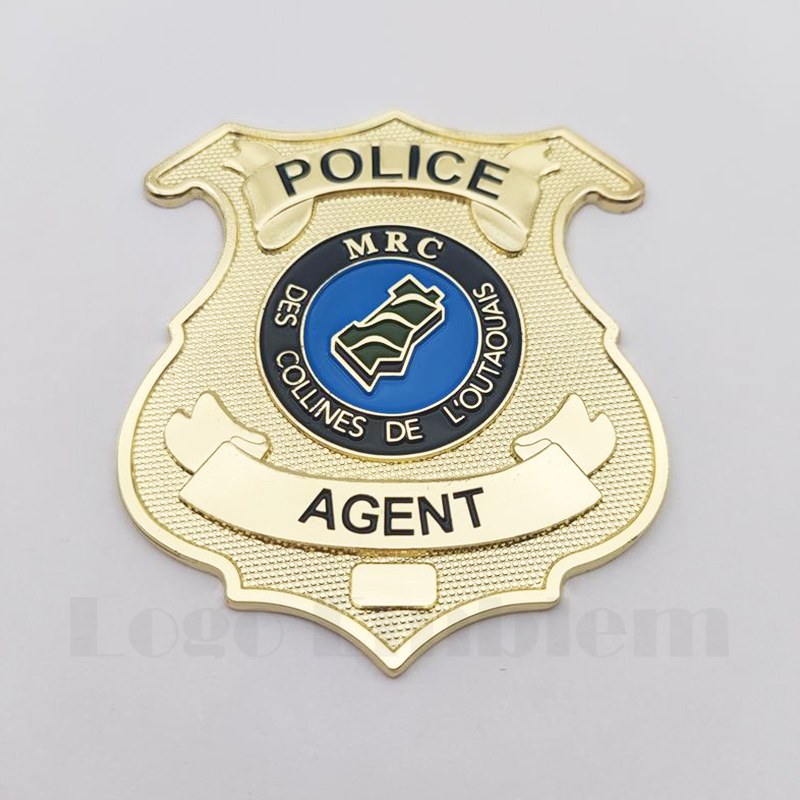
Visual authority dictates the flow of access control and incident response. A uniform badge serves as the first point of visual contact. It establishes immediate professional presence on site. Procurement officers and security directors face a specific operational challenge. They must source durable, authoritative identification that withstands daily physical wear. These items cannot damage expensive uniform assets. This guide provides a technical evaluation framework for selecting military-style badges for active duty. We evaluate base materials, plating longevity, structural design, and secure attachment mechanisms. You will learn how to balance operational durability with uniform compatibility. This ensures your personnel project authority without compromising tactical efficiency.
Key Takeaways
Material Dictates Lifespan: Solid brass or copper base metals with rhodium or 24k gold badge plating offer the highest lifecycle value compared to cheaper zinc alloys.
Format Flexibility: While metal is standard, embroidered and cloth badges offer critical alternatives for tactical and low-visibility operations.
Attachment Mechanisms Impact Uniform Integrity: Selecting the right badge attachment options (e.g., heavy-duty safety pins vs. magnetic backs) prevents premature wear on tactical vests and dress uniforms.
Design Influences Authority and Compliance: Choosing between a traditional shield badge and a star configuration must align with agency branding while strictly avoiding local law enforcement impersonation statutes.
Custom vs. Stock Trade-offs: Custom dies require higher upfront costs and longer lead times but provide superior anti-counterfeiting security compared to off-the-shelf blanks.
Why Security Teams Adopt Military-Style Badges
Visual deterrence relies heavily on professional presentation. The physical weight, metallic finish, and structural design of a badge create a psychological impact. They encourage immediate compliance from the public. Personnel in armored transport require high-visibility authority to deter opportunistic threats. High-threat event security teams need distinct identification to navigate crowded environments. Static corporate guards rely on badges to establish site control at access points. A well-crafted badge communicates readiness and competence before a guard even speaks. The heavy brass pinned to a uniform shirt physically alters the drape of the fabric, signaling to observers that the wearer is equipped with specialized duty gear.
Standardization across ranks ensures a clear chain of command. Field operations require instant recognition of leadership during chaotic incidents. Distinct finishes help identify different roles within a security force. Supervisors and directors often wear gold-tone finishes. Entry-level officers and patrol staff typically wear silver-tone variants. Center seals can also differentiate departments, such as K-9 units, executive protection, or standard patrol. This visual hierarchy streamlines communication during emergency responses. When multiple agencies respond to a single incident, clear rank delineation prevents operational overlap and confusion.
Operational durability defines the baseline success criteria for field equipment. Duty gear takes physical abuse daily. Badges must resist tarnishing from sweat, rain, and extreme weather conditions. Structural integrity is vital during physical altercations or restraint situations. Flimsy materials bend or break under pressure, creating sharp edges that pose a hazard to both the officer and the subject. Secure retention on the uniform prevents loss during foot pursuits or scuffles. A lost badge creates a severe security vulnerability for the entire organization. Equipment failure is simply not an option in frontline roles.
Core Design Elements of Security Badges
Material formats dictate performance in different environments. Traditional die-struck metal offers an unmatched professional appearance. It provides the weight and shine associated with authority. However, metal presents challenges in specific tactical scenarios. Embroidered or woven cloth alternatives solve these issues. Tactical uniforms benefit greatly from cloth options. Metal poses a serious snag hazard on tactical gear, especially when deploying rifles or navigating tight spaces. It adds unnecessary weight to load-bearing vests. Metal also creates noise, violating noise discipline in stealth operations. Cloth badges use olive drab base fabrics and custom UV-resistant polyester thread colors. They maintain identification without compromising tactical advantages.
Shape configurations influence public perception and legal compliance. You must evaluate the traditional shield badge carefully. It remains the standard for corporate and private security. Shield designs project defensive authority and stability. Star designs carry different historical weight. Five-point, six-point, and seven-point stars draw inspiration from military lineage. They also mirror regional law enforcement designs. You must assess how these shapes impact public interaction. Misidentifying private security as public law enforcement creates severe liability. Selecting a shape that is distinct from local police departments protects your organization from impersonation claims.
Sizing variations accommodate different uniform requirements. Full-size uniform badges, typically measuring around three inches in height, serve primary patrol duties. They offer maximum visibility at a distance. Miniature variants, usually measuring one and a half inches, serve specific secondary roles. Plainclothes investigators use them in discreet wallet mounts. Secondary ID cards often incorporate miniature badge mounts. These smaller versions maintain brand consistency without drawing unwanted attention. They allow off-duty or plainclothes personnel to carry official identification comfortably.
Center seals offer customization and security benefits. Stock state or national seals provide immediate recognition. They are readily available and keep initial orders simple. Custom-tooled corporate logos offer superior security. Proprietary designs prevent unauthorized personnel from purchasing identical items online. A unique center seal acts as a primary anti-counterfeiting measure. It verifies the wearer belongs to your specific organization. Investing in a custom center seal die is the most effective way to lock down your uniform supply chain.
Enamel application determines the longevity of lettering and colors. The manufacturing process dictates how well the badge holds up to daily abrasion.
Hard enamel utilizes a traditional cloisonné style process.
Technicians fill the recessed areas of the die-struck metal with a glass-like powder.
The badge is baked at extremely high temperatures to melt the powder into a solid block.
Workers polish the surface completely flush with the raised metal borders.
This creates a highly durable, scratch-resistant surface ideal for duty wear.
Soft enamel sits recessed below the metal borders. It provides a textured feel. Soft enamel is less durable over time and prone to collecting dirt in the recesses. Hard enamel remains the standard for high-wear environments where legibility must be maintained for years.
Material Format
Visual Authority
Snag Hazard
Best Operational Use
Die-Struck Brass
High (Traditional)
Moderate to High
Standard patrol, dress uniforms, access control
Embroidered Cloth
Moderate (Tactical)
Zero
SWAT, heavy tactical vests, K-9 handlers
Woven Patch
Moderate (Detailed)
Zero
Utility uniforms, cold weather outerwear
PVC Rubber
Low (Modern)
Low
Training gear, low-profile assignments
Evaluating Badge Plating for Operational Durability
Standard high-polish finishes require careful evaluation before deployment. Electroplated gold offers a traditional command appearance. It requires regular maintenance to prevent scratching and dulling. Silver finishes provide a clean, modern look for standard patrol officers. Rhodium stands out as the superior choice for silver tones. It is highly tarnish-resistant and exceptionally hard. Rhodium outperforms standard nickel plating significantly. It withstands daily handling without losing its luster. Proper badge plating extends the lifecycle of the equipment, preventing the base metal from oxidizing. Manufacturers apply clear coats over lesser metals like nickel to prevent tarnishing, but these clear coats break down rapidly under UV light and sweat.
Subdued and tactical finishes serve specific operational needs. Matte black metal eliminates glare completely. Gunmetal offers a low-profile aesthetic that blends with dark uniforms. Olive drab cloth matches tactical fabrics perfectly. These finishes are necessary for tactical teams. Low-visibility environments require strict light discipline. Night-shift personnel benefit from reduced reflection when patrolling unlit areas. Subdued military badges prevent compromising a guard's position in the dark. They also hide micro-scratches better than high-polish finishes, maintaining a professional appearance even after heavy field use.
Wear resistance depends heavily on environmental factors. Coastal deployments expose equipment to salt air. Salt accelerates galvanic corrosion on cheap plating, especially over zinc bases. Daily friction from seatbelts degrades raised surfaces on the badge face. Heavy gear straps rub against chest mounts constantly during a twelve-hour shift. Exposure to sweat breaks down inferior protective clear coats. You must evaluate plating against these specific environmental stressors. Solid brass bases with premium rhodium or heavy-micron 24k gold plating survive these conditions best. They resist the chemical breakdown caused by human sweat and environmental moisture.
Two-tone plating adds visual distinction for leadership roles. Combining gold and rhodium elements creates a striking appearance. This process involves complex manufacturing steps. Technicians must mask and plate different sections separately. The resulting contrast clearly identifies high-ranking officers. It provides a premium look suitable for executive protection details or corporate headquarters assignments. The added manufacturing time increases the unit cost, but the visual distinction is necessary for large organizations with complex rank structures.
Badge Attachment Options: Security and Uniform Compatibility
The pin and safety catch remains the industry standard for traditional garments. It secures heavy metal to dress uniforms and standard patrol shirts. This method offers high retention security. The safety catch locks the pin stem in place, preventing accidental unpinning during movement. However, you must consider the physical trade-off. Thick pins pierce fabric fibers. Repeated pinning and unpinning damages uniform shirts over time. This leads to premature uniform replacement and frayed chest panels. The soldering process for the pin catch is critical. A poorly soldered joint will snap under the torque of a physical struggle, rendering the badge useless.
Wallet clips and slide-on mechanisms serve specialized roles. Plainclothes officers require rapid deployment of identification. Investigators use leather badge wallets for discreet carry in civilian clothing. Belt clips allow temporary access personnel to display ID easily without modifying their garments. These slide-on mechanisms require no fabric piercing. They offer flexibility for personnel who do not wear traditional uniforms but still need to establish authority quickly. The tension on the metal clip must be calibrated to grip leather belts securely without permanently bending.
Magnetic backings present unique advantages and severe operational risks. Heavy-duty magnets preserve expensive uniform shirts. They eliminate fabric piercing entirely. Magnets work well for outerwear and delicate fabrics in low-threat environments. However, retention risks are significant. Physical scuffles easily dislodge magnetic mounts. Catching the badge on a steering wheel or external equipment will rip it off. Magnets fail the retention test for high-contact physical security roles. The pull-force required to dislodge a magnetic back is simply too low for frontline duty.
Screw post and nut configurations solve heavy-duty mounting problems. Clutch backs offer similar permanent mounting solutions. These badge attachment options excel on stiff tactical vests. Campaign hats require screw posts to penetrate thick felt securely. Outerwear with pre-sewn grommets relies on these mounts. Traditional pins bend or break on these heavy materials. Screw posts ensure the hardware remains permanently anchored to the gear, regardless of physical exertion. They require precise measurement of the garment's eyelets to ensure a perfect fit.
Cost-to-Value Factors in Procurement
Upfront tooling costs require careful economic analysis. Custom die fees represent a significant initial investment for any security organization. Manufacturers must carve solid steel blocks to stamp your unique design into brass. You must calculate the volume threshold for your team. Purchasing high-end stock blanks seems more economical initially. However, custom tooling becomes highly efficient at larger volumes. Unique dies also eliminate the need to compromise on brand design, ensuring your personnel look exactly as intended. Once the die is cut, subsequent orders only incur the unit cost of the metal and plating.
Lifecycle analysis reveals the true value of duty equipment. Cheap, flash-plated zinc items fail quickly in the field. Zinc bends under pressure and the thin plating flakes off after minimal abrasion. You will replace these units multiple times a year, draining the procurement budget. Die-struck brass offers superior longevity. Premium plating resists daily wear and environmental corrosion. Investing in durable security badges reduces long-term replacement frequency significantly. Quality materials yield a lower actual replacement rate per year of service. A well-made brass badge can stay in service for over a decade, whereas a zinc badge often fails within six months.
Lead time and logistics impact operational readiness. Custom production timelines often span four to eight weeks from artwork approval to delivery. Off-the-shelf blanks ship within days. You must map out these logistics carefully to avoid equipping delays. Factor in freight times and vendor reliability. Delays in identification procurement prevent guards from taking active posts. Schedule onboarding processes around these established manufacturing timelines to ensure new hires hit the ground running. Maintain a buffer stock of unassigned badges to handle sudden surges in hiring or immediate replacements for damaged gear.
Procurement Risks and Mitigation Strategies
Legal and compliance risks threaten organizational stability. Impersonation of public officials carries severe criminal penalties and massive civil liability. You must ensure all designs comply with local statutes. Federal laws also restrict certain shapes and specific state seals. Avoid using the word "Police" entirely for private operations. Verify that your chosen shape does not perfectly mimic local jurisdiction hardware. Consult legal counsel before finalizing any custom die design to ensure full compliance with private security regulations. Ignorance of local uniform codes will not protect your agency from fines or operational shutdowns.
Quality control prevents unauthorized reproduction. Counterfeiting compromises site security immediately. Implement strict tracking strategies for all issued hardware. Require sequential serial number engraving on the reverse side of every metal piece. Log these numbers against personnel records in your database. Recover hardware immediately upon employee termination or transfer. Unique custom dies make unauthorized online purchasing nearly impossible. Treat this hardware as restricted security equipment, not just a uniform accessory. If a vendor sells your custom design to a third party, you must be prepared to issue an immediate cease and desist order.
Uniform compatibility failures waste procurement budgets. Ordering incompatible attachments ruins expensive gear. Mitigate this risk through physical audits of your current inventory. Inspect the agency's current uniform fabrics. Check tactical vests for pre-sewn grommets. Measure the exact distance between eyelets. Match the attachment hardware to the specific garment. Do this before authorizing the final purchase order. Compatibility ensures the equipment functions as intended in the field without requiring aftermarket modifications. A badge that cannot be securely mounted is a liability on the street.
Conclusion
Request physical metal samples from manufacturers to test weight, die-strike crispness, and plating quality under field lighting conditions.
Audit your current uniform fabrics and tactical vest grommets to verify attachment compatibility before placing bulk orders.
Require 2D CAD proofs to confirm legal compliance and exact dimensions before authorizing custom steel die creation.
Implement a strict serial number tracking system for all issued identification hardware to prevent unauthorized access.
FAQ
Q: What is the most durable badge plating for daily security work?
A: Rhodium is the most durable choice for silver-tone finishes. It offers extreme resistance to tarnishing and scratching. For gold-tone finishes, specify 24k electroplate over a solid nickel base. This combination withstands daily friction and environmental exposure far better than standard flash plating.
Q: How do I choose the right badge attachment options for tactical vests?
A: Recommend screw posts or heavy-duty safety catches for tactical gear. These prevent the hardware from being dislodged by rifle slings or physical contact. Avoid magnetic backs entirely on load-bearing vests. Alternatively, consider embroidered cloth options to eliminate snag risks completely.
Q: What is the difference between a custom and a stock security badge?
A: Stock options use pre-made dies featuring generic shapes and standard seals. They are fast to produce but lack unique branding. Custom variants are struck from a unique steel die. They feature specific agency branding, proprietary structural designs, and offer superior anti-counterfeiting protection.
Q: Are magnetic badge attachments secure enough for active duty?
A: No. While magnets prevent fabric damage on expensive dress shirts, they lack physical retention. They are easily knocked off during physical scuffles or when catching on external equipment. They are generally not recommended for high-contact physical security roles.
Q: Why are subdued military badges used in private security?
A: Subdued finishes reduce glare and visibility. Matte black metal or olive drab cloth eliminates light reflection. This makes them ideal for tactical response teams, stealth operations, or low-profile night shifts where maintaining a concealed position is critical to officer safety.
Q: Can a private security team legally wear a shield badge?
A: Yes, shield designs are generally legal for private security use. However, they must not use restricted state seals or display the word "Police." You must always verify local jurisdiction laws to ensure the design does not constitute law enforcement impersonation.
Q: Are cloth or embroidered badges a viable alternative to metal?
A: Yes. Embroidered options are highly viable for tactical and utility uniforms. They offer custom thread colors and impose zero weight penalty. Most importantly, they eliminate the risk of uniform damage and remove snag hazards during intense physical operations.