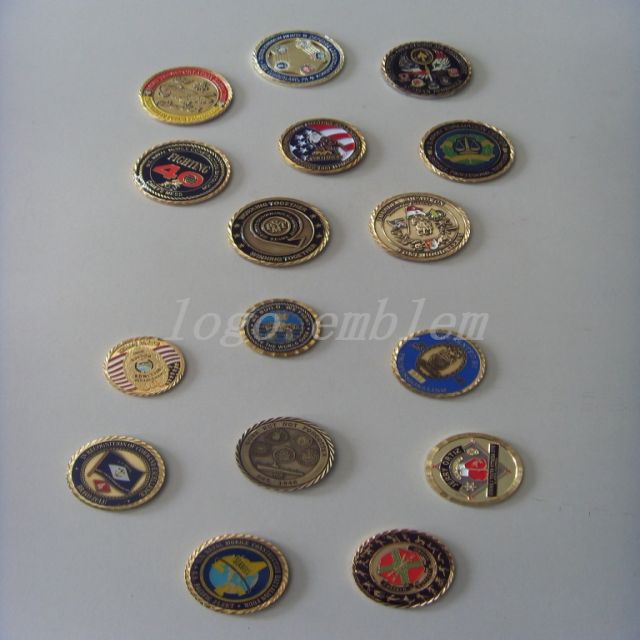
Corporate gifting requires a delicate balance between high perceived value and strict budget management. Physical tokens of appreciation represent a high-stakes procurement decision. Ordering custom challenge coins without a technical understanding of base metals, plating, enamel types, and edge treatments often results in cheap-feeling products, misaligned brand representation, or unnecessary budget overruns. When an executive hands over a physical token, the recipient immediately judges its value by its heft, finish, and attention to detail. A poorly specified product feels like an arcade token, while a properly engineered piece feels like a medal of honor.
This guide breaks down the technical specifications required to source and evaluate corporate challenge coins, providing a framework to align design choices with executive expectations and budget realities. You will learn how to navigate the manufacturing variables that dictate weight, legibility, and tactile quality. By understanding the mechanics of die-casting, electroplating, and CNC edge machining, you can engineer a presentation piece that accurately reflects your organizational standards without inflating production costs.
Key Takeaways
Material dictates weight and feel: The choice between brass and a zinc alloy challenge coin fundamentally alters the tactile quality, 3D capabilities, and production cost of the final piece.
Plating impacts legibility: Antique finishes provide necessary contrast for complex 3D designs, whereas high-polish finishes require enamel fills to maintain corporate logo readability.
Edges drive perceived value: Upgrading from standard flat edges to diamond-cut textures is the most cost-effective way to elevate a coin from a standard promotional item to an executive-tier gift.
Presentation is part of the product: Challenge coin packaging must scale with the recipient tier; a premium coin in a standard PVC pouch loses its corporate gifting impact.
Strategic restraint prevents cost bloat: Combining too many premium add-ons (custom shapes, dual plating, cutouts) can inflate unit costs by over 30% without proportionally increasing the recipient's perceived value.
Defining Success Criteria for Corporate Challenge Coins
Before selecting metals or finishes, you must define the exact purpose of the physical token. Technical requirements shift dramatically based on the use case. A company-wide milestone recognition piece distributed to thousands of employees requires different manufacturing specifications than an exclusive gift handed to a twelve-person executive board. Mass-distribution items prioritize cost-efficiency and standard dimensions, while executive gifts demand heavy base metals, intricate edge work, and premium presentation cases.
Establish a baseline understanding of how weight, thickness, and finish contribute to the physical heft associated with premium quality. When a recipient holds a coin, their brain immediately correlates weight with value. A standard 3mm thick piece feels acceptable, but increasing the thickness to 4mm adds substantial mass and allows the factory to cut deeper 3D reliefs into the mold. This single millimeter difference transforms the tactile experience. For context, a standard 1.75-inch piece at 3mm thickness weighs roughly 35 grams, while upgrading to a 4mm thickness pushes the weight closer to 45 grams. That 10-gram difference is immediately noticeable in the palm of the hand.
Brand compliance presents a unique challenge in metal casting. You must outline the limitations of the medium regarding exact Pantone color matching and fine typography. Metal molds cannot replicate six-point fonts, intricate gradients, or highly complex overlapping vectors. Setting realistic expectations for corporate logo translation prevents production delays. You have to translate the brand into metal, which often means simplifying complex logos into bold, recognizable silhouettes that cast cleanly and hold enamel paint without bleeding. Factory engineers require a minimum line thickness of 0.2mm to ensure the metal walls can successfully separate different enamel colors during the baking process.
Selecting the Right Custom Coin Size, Shape, and Base Material
Standard vs. Oversized Dimensions
Industry standards typically dictate a custom coin size ranging from 1.5 inches to 2 inches in diameter. A 1.75-inch diameter serves as the most common baseline for general corporate distribution. It fits comfortably in the palm, accommodates standard protective capsules, and provides enough surface area for legible text and clear logos. At this size, factories can easily run multiple cavities in a single mold, optimizing the production speed.
Increasing the diameter to 2.25 inches or 2.5 inches exponentially increases the total volume, weight, and material costs. Because you are expanding a circle, a small increase in diameter results in a massive increase in total surface area. These oversized dimensions are typically reserved for high-level commendations, retirement gifts, or specialized awards. When you increase the diameter, you must also consider the thickness. A 2.5-inch piece struck at a standard 3mm thickness risks feeling disproportionately thin and may even warp during the high-heat enamel baking process. Upgrading to a 4mm or even 5mm thickness stabilizes oversized pieces and provides the necessary depth for multi-layered 3D relief designs.
Standard Round vs. Custom Die-Cut Shapes
The traditional round silhouette remains the most cost-effective baseline. Round molds are easier to cut on CNC milling machines, and the symmetrical shape accommodates standard edge treatments and off-the-shelf packaging solutions. If budget optimization and rapid production are priorities, the standard round format eliminates unnecessary engineering variables and reduces the time spent on mold revisions.
Modern manufacturing allows for custom silhouettes, enabling designs shaped like corporate logos, specific products, or architectural outlines. While custom shapes create immediate visual impact, they introduce specific production constraints. Custom outlines increase initial mold fees due to the complex CNC milling required to cut the perimeter. Furthermore, irregular shapes often preclude the use of CNC-machined diamond-cut edges, as the piece cannot spin symmetrically on a lathe during the edge-cutting process. You also have to factor in the sprue placement—the channel where liquid metal enters the mold—which can be harder to hide on an irregularly shaped perimeter.
Base Metal Selection: Why the Zinc Alloy Challenge Coin Dominates
The choice of base metal dictates the manufacturing process, the minimum order quantity, and the final physical properties of the piece. Brass, iron, and zinc represent the primary options in modern production, but they behave very differently on the factory floor.
Brass is a dense, heavy metal shaped through die-striking. A massive hydraulic press slams a hardened steel mold into a solid brass blank, forcing the cold metal to take the shape of the die. This traditional method produces a very heavy, durable piece with crisp 2D details. However, brass requires immense pressure to shape, which limits the depth of 3D reliefs and makes internal cutouts difficult and expensive. The tooling wears down faster, and the raw material cost of brass fluctuates heavily based on global commodities markets.
The zinc alloy challenge coin serves as the industry standard for complex corporate designs. Zinc is shaped through die-casting. The metal is heated to a liquid state and injected into a mold under high pressure using machines ranging from 80 to 160 tons of clamping force. Because the metal flows as a liquid, it captures extreme 3D details, steep sculpted slopes, and intricate internal cutouts that would destroy a brass die. While slightly lighter than brass, zinc alloy provides superior versatility for modern, highly detailed corporate designs and remains highly cost-effective at scale. It also cools rapidly, allowing for faster cycle times on the production line.
Base Metal
Manufacturing Process
Weight Profile
Best Application
Brass
Die-Striking (Cold Press)
Very Heavy
Traditional 2D designs, military-style tokens, simple shapes without cutouts.
Zinc Alloy
Die-Casting (Liquid Injection)
Medium-Heavy
Complex 3D reliefs, custom shapes, internal cutouts, large volume runs.
Iron
Die-Striking (Cold Press)
Medium
High-volume, low-budget promotional giveaways. Prone to rusting if plating fails.
Navigating Custom Coin Plating and Finishes
High-Polish vs. Antique Finishes
Electroplating determines the final color and reflective properties of the metal surface. The raw zinc or brass pieces are submerged in chemical baths while an electrical current bonds a thin layer of precious or semi-precious metal to the exterior. High-polish plating in gold, silver, or copper creates a brilliant, mirror-like finish. While aesthetically striking, high-polish surfaces introduce a significant implementation risk: high glare. Light bounces off the shiny surface, often obscuring fine text and unpainted metal details. If you select a high-polish custom coin plating, you must use enamel color fills in the recessed areas to provide the necessary contrast for corporate logo readability.
Antique finishes solve the contrast problem natively. The factory plates the piece, applies a dark chemical oxidation wash, and then wipes the surface by hand or tumbles it in a vibratory finishing machine. The dark wash remains in the recessed areas, while the raised metal surfaces are wiped clean and bright. This process creates built-in shadows and highlights. Antique plating is the most reliable choice for intricate corporate logos, small typography, and complex 3D architectural designs, as it guarantees legibility without requiring enamel paint.
Matte and black nickel finishes offer modern, understated plating options. Black nickel provides a sleek, gunmetal appearance that aligns well with technology companies or minimalist corporate branding. Matte finishes undergo a sandblasting process before plating, resulting in a flat, non-reflective surface that feels highly contemporary. Sandblasting can be applied selectively to the background areas while keeping the raised text polished, creating a sophisticated two-tone effect without the cost of dual plating.
Dual Plating and Brand Contrast
Dual plating combines two distinct metal finishes on a single piece, such as high-polish gold with antique silver. This technique highlights specific brand elements, drawing the eye to a central logo or a specific raised 3D element against a contrasting background. It is highly effective for anniversary pieces where a gold "50" needs to stand out against a silver background.
You must carefully evaluate the cost-to-impact ratio of this upgrade. Dual plating requires a manual secondary masking process. Workers apply a liquid mask to the areas meant to remain the first color, run the piece through a second electroplating bath, and then chemically remove the mask. This labor-intensive sequence increases production time, raises the defect rate, and adds significant cost. Reserve dual plating for premium tiers of executive gifts where the visual contrast directly supports the brand narrative.
Enamel Colors and Premium Add-Ons
Soft Enamel vs. Hard Enamel
When incorporating corporate brand colors, you must choose between soft and hard enamel application methods. Both utilize liquid paint injected into the recessed areas of the metal mold, but the curing and finishing processes yield entirely different tactile results. The factory uses a pneumatic syringe system to drop liquid enamel into the recessed cavities, relying on the raised metal borders to keep the colors from mixing.
Soft enamel is the most common and cost-effective method. After the paint is applied, the piece goes through a low-heat curing oven. As the paint dries, it settles slightly below the raised metal borders. When you run your thumb across a soft enamel surface, you can physically feel the metal ridges separating the colors. This provides a textured, dimensional feel that many recipients associate with traditional metalwork. It is highly durable and allows for a wide range of Pantone color matching.
Hard enamel represents a premium, jewelry-quality upgrade. The factory overfills the recessed cavities with a specialized enamel compound. The piece is baked at extremely high temperatures until the enamel hardens completely. Workers then use pumice stones and polishing wheels to sand the entire surface down until the enamel sits perfectly flush with the raised metal borders. Finally, the surface is polished to a high gloss. The result is a smooth, flat surface that feels like glass. Hard enamel is ideal for strict corporate brand guidelines requiring a sleek, modern finish, though it does limit the ability to use complex 3D metal reliefs underneath the painted areas.
Strategic Add-Ons for Executive Tiers
Epoxy domes involve pouring a clear liquid resin over the surface of a soft enamel piece, which cures into a hard, glossy dome. While it protects the paint and adds a shiny finish, it completely eliminates the raw tactile feel of the metal. In executive gifting, an epoxy dome often cheapens the product, making it feel like a plastic promotional button rather than a heavy metal token. Use epoxy sparingly, primarily when protecting highly detailed offset-printed inserts that cannot be rendered in metal.
Sequential numbering provides a high-return add-on for limited-edition corporate milestones. Factories use laser engraving machines to apply unique numbers (e.g., 001/500) to the edge or the back of the piece. This simple addition drives exclusivity and transforms a standard gift into a collectible asset. It requires minimal setup time and adds immense perceived value for the recipient.
Internal cutouts, or pierced metal designs, elevate tech-focused or architectural layouts by allowing light to pass through the piece. This requires specific zinc alloy casting molds and increases the unit cost due to the complex tooling required to ensure the liquid metal flows correctly around the negative space. The factory must engineer the mold to prevent air pockets from forming in the narrow channels around the cutouts.
Premium Add-On
Visual / Tactile Effect
Best Use Case
Hard Enamel
Smooth, flush, glass-like finish
Strict corporate branding, executive gifts
Sequential Numbering
Laser-engraved unique identifiers
Limited edition milestones, exclusive awards
Internal Cutouts
Negative space, light passes through
Tech company logos, architectural designs
Epoxy Dome
Glossy, smooth plastic-like coating
Protecting printed inserts (avoid for raw metal designs)
Edge Treatments: Adding Tactile and Visual Weight
Standard Flat vs. Diamond Cut Edges
The perimeter of the piece offers prime real estate for perceived value upgrades. Standard edges include flat, reeded, and rope textures. A flat edge is a smooth, untextured perimeter. A reeded edge features vertical grooves similar to a standard quarter. A rope edge mimics twisted marine rope. These standard textures are cut directly into the primary mold and do not incur additional per-unit machining costs, making them cost-effective baselines for large production runs.
Diamond cut edges require a secondary manufacturing step. After the piece is cast and plated, it is mounted on a CNC lathe. A diamond-tipped cutting tool physically shears into the metal edge at precise angles, creating faceted textures like oblique lines, cross-cuts, or wave patterns. Because the bit cuts through the plating to reveal the base metal beneath, the piece catches and reflects light brilliantly. This immediately signals a premium manufacturing process. The lathe operator must manually load and unload each piece, which accounts for the increased unit cost.
Evaluating the ROI of Edge Upgrades
When allocating a fixed procurement budget, you must decide where to invest for maximum impact. Upgrading to a diamond-cut edge often yields a higher return on investment than adding multiple enamel colors. The faceted edge provides visual weight and a tactile sharpness that immediately registers as executive-tier quality.
Assess the core design: If the design is highly complex and colorful, a standard flat edge prevents visual clutter.
Evaluate the plating: Diamond-cut edges pair exceptionally well with antique finishes, as the bright, freshly cut facets contrast sharply against the dark, oxidized background.
Check the shape: Remember that diamond-cut edges are restricted to perfectly round shapes. If you opted for a custom die-cut silhouette, you must default to a standard flat edge.
Challenge Coin Packaging: The Presentation Factor
Scaling Packaging to the Gifting Tier
The physical token represents only half of the corporate gifting experience. The presentation mechanism dictates the initial emotional response. Handing an executive a heavy, beautifully engineered metal piece inside a standard clear plastic bag instantly degrades the perceived value of the gift. Challenge coin packaging must scale directly with the recipient tier.
Baseline options include standard PVC envelopes and acrylic coin capsules. Frame these strictly as protective measures for bulk shipping rather than presentation solutions. They prevent the metal surfaces from scratching against each other during transit but offer zero presentation value. The factory will typically ship the units in PVC pouches by default unless specified otherwise.
For mid-tier presentation and company-wide distribution, velvet pouches and small plastic display stands serve as cost-effective upgrades. A branded velvet pouch adds a layer of tactile anticipation without drastically increasing the unit cost or shipping volume. You can foil-stamp the corporate logo on the exterior of the pouch to maintain brand consistency.
Executive tiers demand premium presentation cases. Custom-branded velvet presentation boxes, leatherette clamshell cases, and thick acrylic magnetic blocks transform the metal token into a permanent desk fixture. These enclosures frame the piece, protect it from environmental wear, and provide a canvas for foil-stamped corporate logos on the interior silk lining. The factory will custom-cut the EVA foam insert to perfectly match the diameter and thickness of your specific design, ensuring a snug fit.
Logistics and Shipping Considerations
You must calculate the logistical impact of heavy packaging before finalizing the order. Velvet boxes and acrylic blocks significantly increase the volumetric weight of bulk shipments. A standard PVC pouch adds almost zero weight or volume. A velvet presentation box takes up ten times the cubic volume of the token itself.
If you are shipping 2,000 units via international air freight, upgrading from PVC pouches to velvet boxes will drastically increase your final landed costs. Freight carriers charge based on dimensional weight, meaning they calculate the physical space the boxes take up in the cargo hold, not just the actual weight on the scale. You must factor these hidden freight multipliers into your initial procurement budget to avoid massive cost overruns at the end of the production cycle. Always request a volumetric shipping estimate from the factory before approving bulky presentation cases.
Implementation Risks and Cost Drivers
Avoiding Common Design and Production Pitfalls
The most common failure in corporate token design is overcrowding the canvas. A two-inch circle provides a very limited surface area. Attempting to shrink a four-paragraph corporate mission statement, three logos, and a complex architectural rendering onto this small surface guarantees a poor manufacturing outcome. The liquid metal cannot fill microscopic mold cavities, and the resulting text will look like illegible metal blobs. Advocate for minimalist, symbol-driven designs. Use bold typography, clear dates, and recognizable icons. If a design element cannot be drawn with a standard Sharpie marker, it will likely fail during the metal casting process.
You must also understand the strict limitations between 2D and 3D molds. A 2D mold operates on exactly two levels: a flat raised metal surface and a flat recessed background. It is perfect for standard corporate logos, text, and geometric shapes. A 3D mold features rounded, sculpted slopes with varying depths, similar to a bas-relief sculpture. 3D molds are required for human faces, landscapes, or detailed machinery. Specifying a 3D mold for a standard flat corporate logo wastes money on unnecessary CNC milling time. Conversely, attempting to execute a portrait using a 2D mold results in a flat, unrecognizable silhouette.
Conclusion
Procuring physical tokens for corporate recognition requires precise technical specifications to ensure the final product matches your brand standards. By controlling the variables of base metals, plating chemistry, and edge machining, you eliminate the risk of receiving subpar promotional items. Follow these immediate steps to initiate a successful production run:
Define the recipient tier and distribution scale before selecting any materials to establish a firm per-unit budget.
Lock in your base metal and diameter first to establish a baseline physical weight, defaulting to zinc alloy for complex or oversized designs.
Choose electroplating finishes based on design complexity, favoring antique washes to guarantee legibility on highly detailed 3D elements.
Match the presentation case to the gifting occasion while explicitly calculating the dimensional weight impact on your international freight costs.
FAQ
Q: What is the standard thickness for a corporate token?
A: The industry standard is 3mm. Upgrading to 3.5mm or 4mm provides a heavier, more premium feel and allows the factory to cast deeper 3D relief designs without warping the base metal during production.
Q: Can you match exact Pantone colors on metal?
A: Yes, factories mix soft and hard liquid enamels to match solid Pantone coated colors. However, gradients, shading, and opacities cannot be replicated with traditional enamel and require specialized offset printing inserts.
Q: Why choose zinc alloy over traditional brass?
A: Zinc alloy is injected as a hot liquid into molds, allowing for complex custom shapes, deep 3D sculpted details, and internal cutouts. It causes less wear on the molds and is highly cost-effective for large production runs.
Q: Do diamond-cut edges work on custom-shaped pieces?
A: Generally, no. Diamond-cut edges require a CNC lathe to rotate the piece at high speeds against a cutting bit. Irregular custom shapes cannot spin symmetrically on the lathe, restricting these premium edges to standard round designs.
Q: What is the exact difference between 2D and 3D molds?
A: 2D molds have flat raised areas and flat recessed areas, ideal for crisp logos and typography. 3D molds feature rounded, sculpted slopes and continuous varying depths, necessary for architectural designs, landscapes, or faces.
Q: Does presentation packaging affect international shipping costs?
A: Yes. Upgrading from standard PVC sleeves to velvet presentation boxes or acrylic blocks significantly increases the dimensional weight and cubic volume of your bulk shipment, which directly inflates air freight charges.