Introduction
PVC is a versatile material used in many industries. It’s also great for making stylish jewelry. DIY PVC bracelets are affordable and easy to customize.
In this guide, we’ll show you how to make your own PVC bracelets. You’ll learn everything from materials to techniques.
At Logo Emblem, we offer a variety of customizable accessories. Learn more about our products today!
Materials Needed for Making PVC Bracelets
Before diving into the craft, it’s essential to have the right materials. Here’s a list of what you’ll need to create your own PVC bracelets:
● PVC Pipe: The primary material, which can be cut into rings to form bracelets. The diameter of the pipe can be customized based on your wrist size. You can choose from various thicknesses depending on the style you prefer.
● Cutting Tools: A hand saw or rotary tool is necessary to cut the PVC pipe into bracelet-sized pieces. Precision is important here, so be sure to use sharp, reliable tools for clean cuts.
● Sanding Tools: To ensure the edges are smooth and comfortable to wear, use sandpaper or a rotary sander. This will remove any rough spots left after cutting and create a polished finish.
● Paint and Brushes: Use craft paints for decorating your bracelets. You can get creative with designs and colors. Acrylic paints are a good option, as they adhere well to PVC and come in a variety of shades.
● Hot Glue Gun: This is essential for attaching embellishments like buttons, beads, or fabric to your bracelets. Make sure to use a strong adhesive to ensure your decorations stay in place.
● Embellishments: Whether you prefer buttons, beads, or fabric accents, these additions can make your PVC bracelet more unique. Personalizing your bracelet is one of the best parts of this DIY project.
● Safety Gear: Gloves are recommended to protect your hands from the heat when working with softened PVC. It’s important to handle the materials carefully to avoid burns.
Additionally, there are accessories such as customized PVC sports bracelets available in the market. These are particularly popular for athletes who enjoy both comfort and style during their workouts. They are made from high-quality PVC and are designed to absorb sweat, making them an ideal accessory for anyone engaged in physical activity. These customizable options can add a personal touch to any sports team or event.
Material | Purpose |
PVC Pipe | Main material for crafting the bracelet. Choose according to wrist size. |
Saw or Rotary Tool | Used for cutting the PVC pipe into bracelet-sized rings. |
Sandpaper or Rotary Sander | Smooths the edges of the cut PVC to ensure comfort. |
Craft Paint and Brushes | For decorating the PVC bracelet with color and designs. |
Hot Glue Gun | Used to attach embellishments like buttons, beads, or fabric. |
Embellishments (Buttons, Beads) | Decorative elements to personalize and add style to the bracelet. |
Gloves | Protects hands from heat when shaping PVC and handling hot materials. |
Step-by-Step Guide to Making PVC Bracelets
Step 1: Cutting the PVC Pipe
The first step in making your PVC bracelet is cutting the PVC pipe into rings. This step is straightforward but requires precision. Using a saw or rotary tool, carefully cut the pipe into bracelet-sized pieces. The thickness of the pipe will determine the final size of the bracelet, so make sure you cut the rings according to your preference. If you're unsure about cutting, a miter saw can offer precise cuts, but a regular hand saw will work as well.
Once cut, you may notice that the edges are rough. Don't worry; this is normal and will be addressed in the next step.
Step 2: Shaping the PVC into Bracelets
After cutting your PVC rings, it’s time to shape them into bracelets. This is done by softening the PVC with heat. Simply place the pipe sections in hot water until they become pliable. Once softened, you can easily mold them into the shape of a bracelet by wrapping them around a cylindrical object (like a bowl or cup).
For safety, be sure to wear gloves during this step, as the PVC will be quite hot. After shaping the bracelet, quickly dip it into cold water to set the shape. This method ensures that your bracelet retains its new form once it cools down.
Step 3: Sanding and Smoothing Edges
Once your PVC bracelet has cooled and hardened, it’s time to smooth the edges. Use a rotary sander or sandpaper to remove any rough areas that might irritate your skin. A smooth finish not only makes the bracelet comfortable to wear but also gives it a polished, professional appearance. Take your time during this step to ensure all edges are free of sharpness.
Step 4: Decorating and Adding Designs
This step is where you can really let your creativity shine. Use craft paints to decorate your PVC bracelet. You can opt for a solid color or get artistic with patterns, stencils, or even textured finishes. Acrylic paints work well on PVC, providing a vibrant color that will last. Consider creating a theme, such as nature-inspired designs, geometric patterns, or abstract art.
For those looking for a more subtle design, you can apply a simple, uniform color or use metallic finishes for a sophisticated look. Customizing your bracelet is one of the most exciting parts of the DIY process.
Step 5: Adding Embellishments
To add a personal touch, embellishments such as buttons, beads, or fabric can be glued onto your bracelet. Buttons are a classic embellishment and can easily be attached using a hot glue gun. The key here is to get creative—use fabric, beads, or even leather to wrap or attach to the bracelet for a more textured or rustic appearance.
Consider adding a touch of style with decorative PVC bracelets, which can be customized with different colored labels or logos. Whether for a sports team, event, or personal expression, these customized bracelets serve both functional and aesthetic purposes. They are highly durable and suitable for long-lasting use.
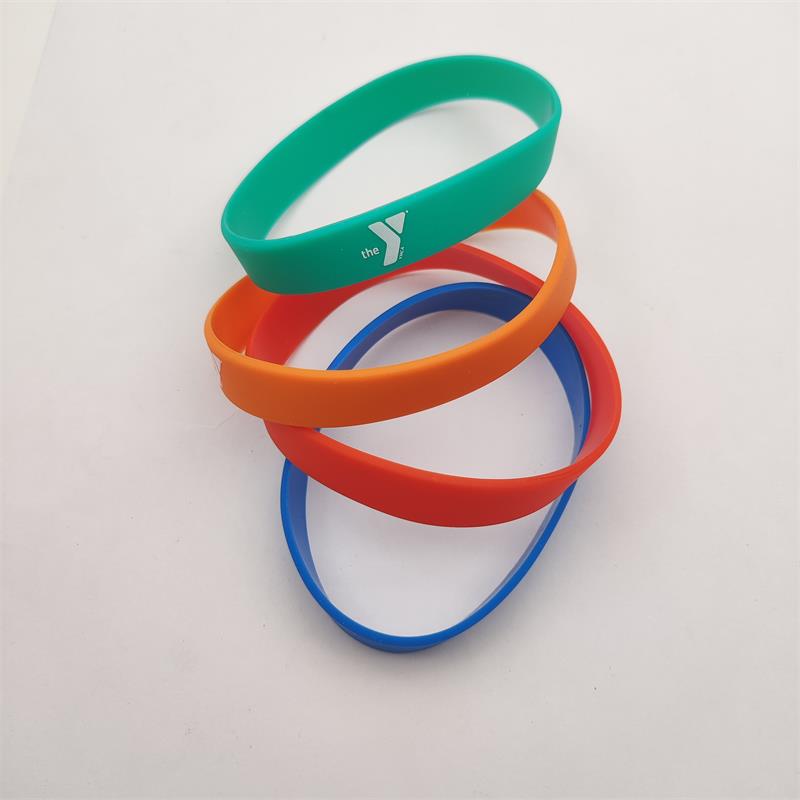
Different Styles of PVC Bracelets
Chunky Style: Bold and Beautiful
If you prefer bold accessories, the chunky PVC bracelet style is perfect for you. This style typically involves wider PVC pipe, creating a statement piece that is sure to draw attention. Embellish the bracelet with large buttons or beads, or apply bold paint designs for a striking look.
Delicate Style: Subtle and Elegant
For a more understated appearance, try making a thinner PVC bracelet. You can add delicate details such as small buttons or beads to create an elegant and refined accessory. These thinner bracelets are ideal for stacking, so you can wear multiple bracelets at once for a layered effect.
Customizing with Fabric and Other Materials
Adding fabric or other materials to your PVC bracelet can enhance its texture and visual appeal. Consider wrapping the bracelet in jute cord, lace, or leather strips for a rustic or vintage look. The combination of PVC with different materials gives you the freedom to create unique and personalized designs.
Style | Description | Materials & Techniques | Best For |
Chunky Style | Bold, statement pieces made with wider PVC pipe. | Large buttons, beads, and bold paint designs. | People who love eye-catching accessories. |
Delicate Style | Slimmer bracelets for a subtle and elegant look. | Small embellishments, fine details in design. | For a minimalistic or stacked bracelet look. |
Customized | Personalized designs with fabric, labels, or logos. | Fabric wrapping, customizable labels, logo printing. | Perfect for teams, events, or unique style. |
Advanced Techniques: Creating Multiple Bracelets
Combining Different Sizes for Unique Designs
One of the great things about PVC is its versatility. You can combine various sizes of pipe to create layered and unique bracelet designs. By stacking smaller PVC rings inside larger ones, you can create multi-layered bracelets that offer a sense of depth and texture. This technique adds a visual dimension to your bracelets, making them more intricate and stylish. You can also experiment with different shapes and arrangements to create truly one-of-a-kind pieces.
Using Multiple Colors and Paint Techniques
To take your PVC bracelet designs to the next level, consider incorporating multiple colors and advanced painting techniques. Ombre effects, metallic finishes, or even marbled designs can add a dynamic, eye-catching touch to your bracelets. Experimenting with different paint textures and color combinations gives your creations a personal flair. Layering paint or using stencils can also enhance the design, allowing you to create detailed and artistic pieces that are both visually striking and uniquely yours.
Troubleshooting and Tips for Success
Common Problems: What to Do When PVC Won't Shape
If you encounter difficulties with shaping your PVC pipe, it may be due to insufficient heating. PVC needs to be heated until it becomes pliable enough to mold. To fix this, simply reheat the PVC in boiling water until it softens, then try shaping it again. Be sure to keep an eye on the temperature of the water to avoid overheating, which could lead to deformation or damage. Once the PVC is heated properly, it should shape easily to the desired form.
Achieving the Perfect Finish
Achieving a smooth, polished finish is key to making your PVC bracelet comfortable and professional-looking. Be patient during the sanding and painting process. Sanding the edges of the PVC thoroughly ensures that your bracelet won’t have sharp, uncomfortable edges. When painting, take your time to allow each layer to fully dry before applying the next. This will prevent smudging and ensure a clean, smooth finish. The attention to detail at this stage is crucial in creating a polished, high-quality bracelet.
Problem | Cause | Solution |
PVC Doesn't Shape Properly | PVC wasn’t heated enough. | Reheat the PVC in boiling water until it becomes pliable. |
Rough Edges After Cutting | Cutting tool left rough edges. | Sand the edges with a rotary sander or 400-grit sandpaper. |
Paint Doesn’t Stick Properly | Surface wasn’t prepped correctly. | Ensure the PVC is clean and dry before painting. |
Conclusion
PVC bracelets offer a fun, creative way to make stylish and functional accessories. With endless customization options, you can create everything from bold statement pieces to delicate, layered designs. These DIY projects are affordable and rewarding.
At Logo Emblem, we offer customizable accessories that allow you to express your unique style. Our products provide quality and versatility for every creative project you undertake.
FAQ
Q: What are PVC bracelets made from?
A: PVC bracelets are made from polyvinyl chloride (PVC), a versatile material that can be easily molded and customized for crafting.
Q: How do I make PVC bracelets at home?
A: To make PVC bracelets, you'll need PVC pipe, cutting tools, sandpaper, and paint. Simply cut the pipe, shape it with heat, and decorate as desired.
Q: Why are PVC bracelets a popular DIY project?
A: PVC bracelets are popular because they are affordable, customizable, and allow for endless design possibilities. They're great for personal use or as gifts.
Q: Can I add custom designs to my PVC bracelet?
A: Yes, you can easily add custom designs using paint, embellishments, and fabric to create a unique and personalized PVC bracelet.


