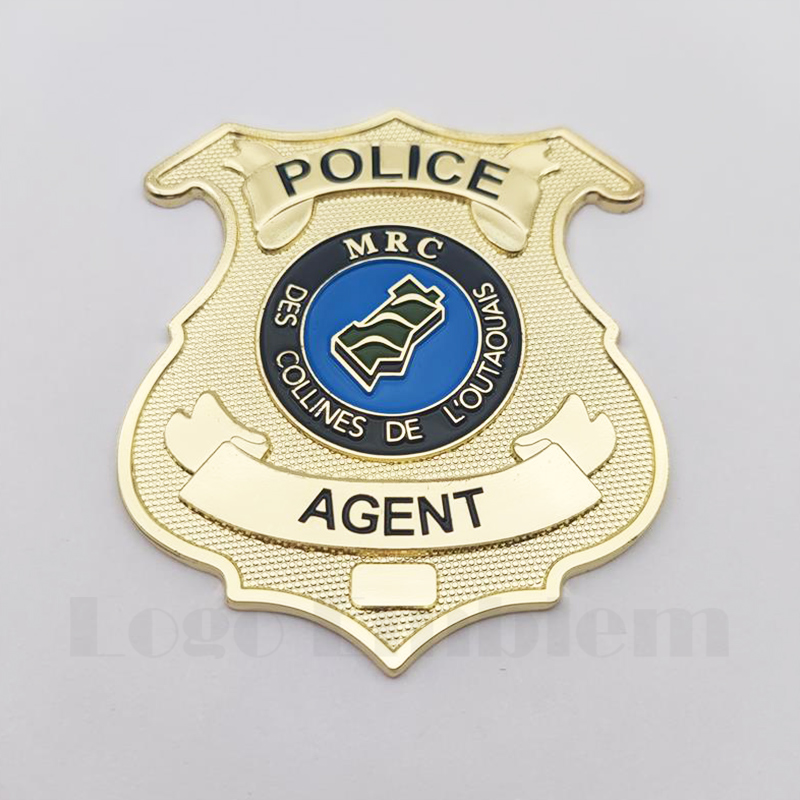
Corporate identification goes far beyond just displaying a logo. Fastener selection plays a pivotal role in employee daily experience. Every organization must evaluate how identification hardware interacts daily alongside human movement and various fabrics. Selecting custom badge fasteners isn't just a design choice; it impacts employee comfort, wardrobe integrity, workplace safety, and replacement costs for lost badges. Buyers often overlook how these seemingly minor hardware details affect broader workplace operations.
Our comprehensive guide provides a transparent comparison between modern magnetic fasteners and traditional pin-backed hardware. We aim to help buyers match the right backing to their specific operational environment. You will discover practical ways to balance user comfort against rigorous safety compliance standards. By evaluating material limits and physical hazards, you can make confident, evidence-based procurement decisions for your workforce.
Key Takeaways
Garment Protection: Magnetic backings eliminate fabric punctures, making them the standard for corporate environments and delicate attire.
Maximum Retention: Clutch backs offer superior mechanical grip for heavy materials, outerwear, and active physical roles.
Safety Compliance: Neodymium magnets pose documented risks to pacemakers; organizations must offer alternative fasteners to ensure inclusive workplace safety.
Cost vs. Value: While magnetic backings carry a slight premium, they often offset costs by reducing garment damage complaints and extending badge lifespan.
Evaluating Fastener Mechanisms and Materials
Understanding the engineering behind badge hardware helps buyers anticipate performance. Fastener choice dictates how well an identification piece survives a long shift. We will examine the structural differences defining the two most popular options available today.
Magnetic Backing Badges (The Non-Destructive Option)
Modern corporate environments increasingly favor non-invasive attachment methods. Magnetic backing badges utilize a clever two-piece system. Manufacturers adhere a coated steel plate directly to the back of the identifier. The user then places a separate backplate featuring two or three high-strength neodymium magnets inside their clothing. The magnetic field passes through the shirt, pulling the front plate securely against the fabric.
This system offers distinct strengths. It guarantees zero fabric penetration. Employees can adjust and level their name tags effortlessly throughout the day. You never have to worry about misaligning a pin and repuncturing a shirt. However, notable limitations exist. Thick winter coats or multi-layered industrial insulation easily weaken the magnetic pull-force. If the physical distance between the magnets and the steel plate increases, the attractive force drops exponentially. Consequently, heavy layers render standard magnets useless.
The Clutch Badge (The Traditional Anchor)
Mechanical fasteners rely on physical anchoring rather than invisible fields. A clutch badge mechanism typically features an 8mm to 10mm metal post soldered permanently to the rear surface. Users push this sharp post through their garment. A secondary fastener—such as a butterfly clutch, rubber cap, or deluxe locking cylinder—grips the post from behind.
These traditional anchors provide unyielding mechanical hold. They excel when used for small custom lapel pins or heavy-duty uniform programs. A locking clutch simply will not let go unless manually released. Unfortunately, this strength introduces a serious drawback. The metal post permanently separates fabric weaves. Constant insertion and removal cause visible pinholes over time. Delicate clothing deteriorates rapidly under this daily mechanical stress.
Clothing Integrity and Daily Comfort
Employee wardrobe choices vary wildly across different industries. A fastener succeeding in a corporate boardroom might fail completely on a construction site. HR teams must evaluate fabric compatibility carefully before standardizing uniform hardware.
Fabric Compatibility
Different textiles react uniquely to tension, friction, and puncture forces. Understanding these reactions prevents costly garment damage.
Delicate Fabrics (Silk, Rayon, Fine Weaves): These materials forgive nothing. Clutch pins risk permanent snagging, thread breakage, and visible scarring. We strictly recommend magnetic systems for fine corporate attire. They leave no trace after removal.
Thick/Industrial Fabrics (Denim, Canvas, Outerwear): Heavy materials demand aggressive anchoring. Magnets often lack the pull-force to hold securely through thick insulation. Conversely, clutch pins easily penetrate dense canvas and hold firm against heavy movement.
Fabric Type
Optimal Fastener
Engineering Reason
Silk / Chiffon / Rayon
Magnetic System
Eliminates fiber tearing and permanent weave separation.
Standard Cotton Blends
Either
Cotton handles light pinholes well, but magnets remain easier to adjust.
Insulation blocks magnetic fields entirely, requiring deep mechanical grips.
Weight Distribution and Sagging
An oversized metal badge introduces unique physics. Gravity pulls downward, while the garment surface acts as a fulcrum. Heavy nameplates can tilt or sag forward if the magnetic force proves insufficient. Evaluators must match hardware weight strictly to magnet grade. Weak magnets cause identifiers to droop unprofessionally.
Post-and-clutch systems mitigate sagging effectively. Dual-post designs, featuring two separate pins spaced apart, completely prevent rotation. The garment gets trapped securely between the broad backplate and the front piece. This mechanical sandwich keeps heavy items flush against the clothing all day long.
Security and Retention in Active Environments
An employee's physical activity level dictates retention requirements. You must observe how your staff moves during a typical shift. Fastener failure often results in lost property, security breaches, or customer confusion.
Low-Impact Roles (Corporate, Trade Shows, Retail)
Office workers and retail staff generally experience predictable, low-impact movements. They walk, sit, and interact across counters. In these settings, magnetic fasteners provide more than enough security. They withstand standard daily movement without shifting. Employees can comfortably reach for items or greet clients without fearing detachment. The smooth backings also prevent irritation against the skin.
High-Impact Roles (Healthcare, Manufacturing, Law Enforcement)
Active environments change the retention equation completely. Healthcare professionals frequently lift patients. Manufacturing workers maneuver around heavy machinery. Law enforcement officers sprint or engage physically. Physical exertion, equipment carrying, and restrictive motion increase the risk of magnets being knocked loose. A seatbelt strap or heavy backpack can easily slide a magnetic plate right off a shirt.
Loss Prevention
Losing custom identification creates logistical headaches. Replacing high-quality accessories wastes departmental budgets. A secure locking clutch minimizes the replacement rate in physically demanding environments. These advanced clutches utilize internal ball bearings gripping the post. Once locked, lateral friction or direct impacts cannot dislodge them. High-impact teams rely on this unyielding security to maintain their professional appearance.
Health, Safety, and Compliance Considerations
Hardware selection intersects directly with workplace health policies. Procurement teams often overlook hidden medical risks associated with modern fasteners. You must establish clear safety protocols regarding employee accessories.
The Pacemaker Factor (Crucial HR Consideration)
Industrial-strength neodymium magnets present serious documented risks. These powerful components emit strong localized magnetic fields. They can interfere directly with Implantable Cardioverter Defibrillators (ICDs) and pacemakers. If an employee places a strong magnet directly over their chest implant, the device may switch into an unsafe testing mode.
Companies standardizing on non-destructive fasteners must implement a strict opt-out policy. HR departments should mandate transparent communication during onboarding. You must provide pin-back or clip alternatives for any employee utilizing medical chest implants. This simple policy ensures an inclusive, legally compliant, and safe workplace.
Physical Injury Risks
While mechanical fasteners do not emit magnetic fields, they introduce distinct physical hazards. Clutch posts present minor prick hazards during application. If the backing falls off during a shift, an exposed metal spike remains pointing toward the user's arm or chest. This hazard becomes particularly problematic in tight spaces.
You can mitigate these risks by selecting soft rubber clutches rather than hard metal butterfly variants. Rubber caps encase the sharp tip completely. Alternatively, magnetic options eliminate sharp points entirely. This complete absence of sharp edges makes them highly favorable in early education, veterinary clinics, or caregiving sectors. Professionals handling children or animals avoid accidental scratch injuries entirely.
Decision Framework: Selecting the Right Backing for Your Use Case
No single fastener solves every operational challenge. The smartest procurement strategy involves mapping hardware directly to daily workflows. Use this practical framework to finalize your next uniform rollout.
When to Specify Magnetic Backing Badges
You should default to non-invasive systems when garment protection ranks as your top priority. Choose these for:
Professional Office Settings: Boardrooms, law firms, and corporate headquarters.
Client-Facing Roles: Luxury retail, banking, and high-end hospitality sectors.
Personal Clothing Environments: Workplaces where employees wear their own expensive attire rather than company-issued uniforms.
Frequent Wardrobe Changes: Roles requiring staff to swap jackets or shirts multiple times daily.
When to Specify Clutch Backs
You should select mechanical anchors when retention and environmental durability outweigh fabric concerns. Specify these for:
Accessory Displays: Items designed specifically for thick lanyards, baseball hats, or canvas messenger bags.
Highly Active Roles: Emergency responders, warehouse logistics personnel, and field technicians requiring absolute retention.
High-Loss Environments: Operations experiencing frequent requests for replacement tags due to accidental detachment.
The Hybrid Ordering Strategy
Savvy buyers rarely commit 100% to a single hardware type. Diverse workforces require flexible solutions. A hybrid ordering strategy solves nearly all compliance and comfort issues. Structure your purchase orders intelligently by splitting the hardware types.
Request an order comprising 90% magnetic systems and 10% mechanical pins or bulldog clips. Distribute the magnets as the standard corporate issue. Keep the 10% pin-back reserve at the HR desk. When an employee reports a pacemaker or requests hardware for a heavy winter coat, HR immediately swaps the backing. This simple allocation strategy guarantees inclusion, maintains safety compliance, and keeps uniformity intact.
Conclusion and Next Steps
Selecting the ideal badge hardware requires careful evaluation of your specific workplace environment. There is no universal "best" backing available today. You must find the optimal choice balancing dress code rules, physical safety requirements, and operational activity levels.
We recommend conducting a small pilot test before overhauling your entire uniform program. Request a sample pack featuring both magnetic arrays and various locking clutches. Distribute these samples to employees working in different departments. Ask them to test the hardware on their actual company uniforms for a full week. Collect their feedback regarding comfort, sagging, and ease of use. This hands-on validation ensures you commit to a bulk order confidently, ultimately fostering a safer, more comfortable workplace.
FAQ
Q: Do magnetic backing badges damage credit cards or electronics?
A: Modern neodymium fasteners emit highly localized fields. They generally do not damage modern smartphones or laptops during normal wear. However, you should never store them directly against older magnetic stripe credit cards, hotel room key cards, or unshielded hard drives, as prolonged direct contact can erase sensitive data.
Q: Can I convert a clutch badge into a magnetic badge later?
A: Yes, conversion is possible but often messy. You must use metal clippers to snap off the existing post. Afterward, you apply an aftermarket adhesive magnet plate to the flat back. For maximum durability and a flush fit, we strongly recommend ordering factory-direct magnetic hardware initially.
Q: Is there a significant cost difference when ordering bulk metal badges?
A: Magnetic systems generally carry a minor unit-price premium compared to standard brass butterfly clutches. Neodymium is an expensive rare-earth metal. However, this small upfront premium often pays for itself by drastically reducing employee complaints regarding damaged personal clothing.
Q: What is the maximum fabric thickness a standard badge magnet can hold through?
A: A standard three-point neodymium array holds securely through typical suit lapels, cotton uniform shirts, and thin cardigans. They struggle significantly once fabric thickness exceeds 3mm to 4mm. Heavy fleece, padded winter coats, or thick leather typically require mechanical pin fasteners for reliable daily retention.
Transform your brand IP into durable 3D figure trophies. Learn design for manufacturability, material selection, and scaling from prototype to volume production.