Zinc Alloy Medals are popular for their durability and detailed designs. But do you know how to care for them properly? Without the right care, these medals can lose their shine and value. In this post, you’ll learn what zinc alloy medals are, why proper care matters, and how to maintain their beauty and durability.
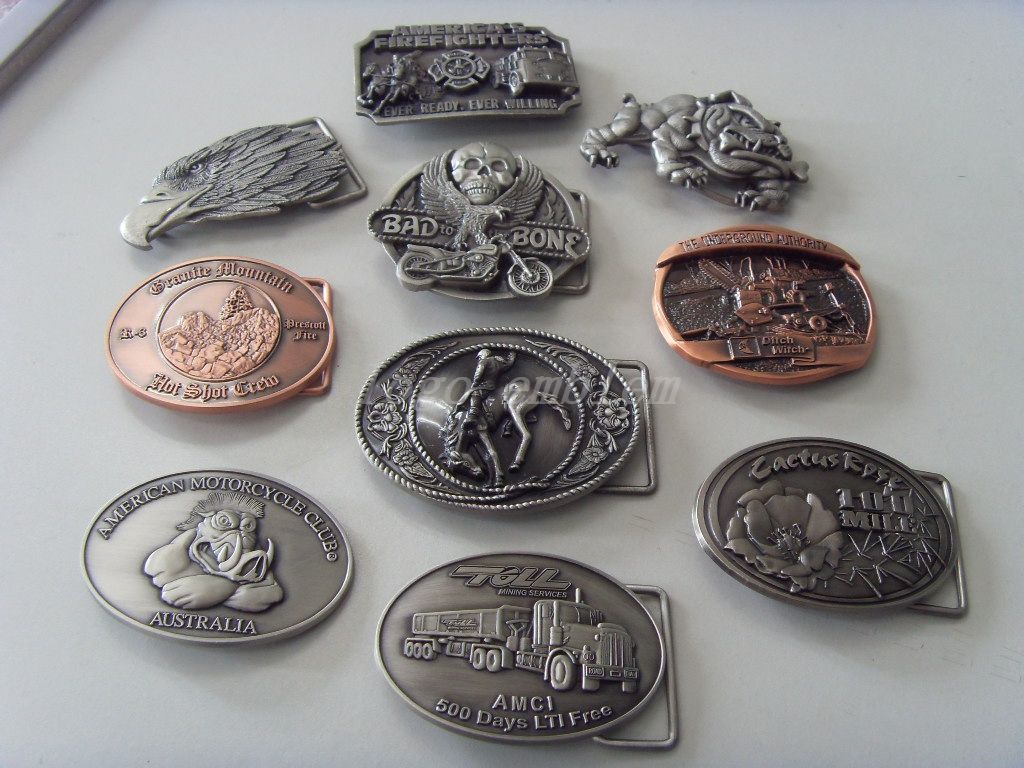
Comprehensive Guide to Properly Caring for Zinc Alloy Medals
Proper care for zinc alloy medals ensures they stay beautiful and durable over time. Whether you’re a collector, event organizer, or business supplier, following zinc alloy medal care tips will help you preserve their value and appearance.
Daily Handling Best Practices to Preserve Medals
Handle your zinc alloy medals with clean, dry hands to avoid transferring oils and dirt. Hold them by the edges or the back to prevent fingerprints on the surface finish. Avoid dropping or banging medals together, as zinc alloy, while sturdy, can dent or scratch. Wearing soft cotton gloves during handling is ideal for collectors or when displaying medals.
Cleaning Techniques: From Gentle Dusting to Deep Cleaning
For routine cleaning, gently dust medals with a soft microfiber cloth or a soft-bristled brush. This removes surface dust without harming the finish. When deeper cleaning is needed, prepare a mild soap solution using warm water and a few drops of gentle dish soap. Soak the medal briefly, then softly scrub with a soft toothbrush to reach detailed areas. Rinse with clean water and dry immediately with a lint-free cloth to avoid water spots.
Choosing the Right Cleaning Agents for Zinc Alloy
Avoid harsh chemicals, abrasive cleaners, or metal polishes not formulated for zinc alloys. These can erode the protective coating or damage the surface. Instead, use mild soaps or specialized zinc alloy medal cleaning methods designed for delicate metals. Baking soda paste can help remove stubborn dirt but use it sparingly and gently.
How to Address and Remove Stubborn Stains Safely
For tough stains, apply a paste of baking soda and water and gently rub with a soft toothbrush. Let it sit for a few minutes before rinsing thoroughly. Avoid vigorous scrubbing to prevent scratches. If stains persist, consider consulting a professional restoration service to avoid damaging the medal.
Protecting Medals from Moisture and Environmental Damage
Zinc alloy medals resist rust but can tarnish or corrode if exposed to excessive moisture or chemicals. Store medals in a dry environment with controlled humidity (ideally 40%–50%). Use silica gel packets in storage containers to absorb moisture. Avoid contact with perfumes, hairsprays, and cleaning agents, which can degrade the finish.
Storage Tips to Prevent Scratches, Tarnish, and Corrosion
Store medals individually in soft, non-abrasive pouches or lined boxes to prevent scratching. Avoid stacking medals directly on top of each other. Keep them away from direct sunlight and fluctuating temperatures, which can accelerate tarnishing. Regularly inspect stored medals and gently clean them to maintain their condition.
Maintaining the Protective Coating and Surface Finish
Many zinc alloy medals have a protective plating or coating. Over time, this can wear down, so avoid over-polishing. Use gentle cleaning methods to maintain the coating’s integrity. If the finish starts to dull, light buffing with a soft cloth can help restore shine without removing the protective layer.
Understanding the Material: Zinc Alloy Properties and Their Impact on Maintenance
Composition and Characteristics of Zinc Alloy
Zinc alloy is a metal blend primarily made of zinc combined with other elements like aluminum, copper, magnesium, and sometimes titanium. This mix gives zinc alloy medals a balance of strength, durability, and malleability. Because of its low melting point, zinc alloy is easy to cast into intricate shapes, making it perfect for detailed medal designs. The surface typically has a silver-like color, which can be further enhanced through plating or finishing techniques.
Why Zinc Alloy Medals Resist Rust and Corrosion
One of the most important benefits of zinc alloy medals is their natural resistance to rust. When exposed to air, zinc forms a thin, protective oxide layer on its surface. This passive film acts like a shield, preventing oxygen and moisture from penetrating deeper into the metal. As a result, zinc alloy medals do not develop rust like iron-based metals. However, they can still tarnish or corrode if exposed to harsh chemicals or excessive moisture over time. This is why proper zinc alloy medal maintenance is crucial for preserving their appearance.
How Zinc Alloy’s Surface Changes Over Time
Though zinc alloy medals resist rust, their surface may undergo subtle changes as they age. The protective oxide layer can develop a patina, which sometimes darkens or dulls the finish. This natural aging process doesn’t harm the medal but can alter its shine and color. Environmental factors such as humidity, temperature, and exposure to pollutants influence how quickly these changes occur. Regular cleaning and proper care help slow down surface dullness and maintain the medal’s original look.
The Role of Metal Plating in Medal Durability
Many zinc alloy medals feature an additional metal plating layer, such as nickel, chrome, or gold. This plating enhances the medal’s aesthetics and adds an extra barrier against wear, corrosion, and tarnish. The plating also improves scratch resistance and can provide different finishes like polished, matte, or antique looks. Over time, the plating may wear off if medals are frequently handled or cleaned with harsh agents. Therefore, maintaining the plating’s integrity through gentle cleaning and storage is a key part of zinc alloy medal preservation.
Specialized Care for Different Zinc Alloy Medal Finishes
Zinc alloy medals come in various finishes, each requiring tailored care to keep their unique look intact. Understanding how to care for polished, matte, and antique finishes helps you maintain their beauty and value over time.
Caring for Polished Zinc Alloy Medals
Polished zinc alloy medals boast a shiny, mirror-like surface that highlights intricate details. To preserve this luster:
Use a soft, lint-free cloth for regular dusting.
Clean gently with mild soap and warm water when needed.
For restoring shine, apply a small amount of metal polish specifically formulated for zinc alloys. Use a soft cloth and rub in circular motions.
Avoid over-polishing to prevent wearing down the protective plating.
Always buff with a clean, dry cloth to enhance the shine.
Polished finishes are prone to fingerprints and smudges, so handle these medals by their edges or wear cotton gloves during display or inspection.
Maintaining Matte Finish Medals Without Losing Texture
Matte zinc alloy medals have a subtle, non-reflective surface that offers a sophisticated look. To maintain this finish:
Clean using the same mild soap and water method as polished medals.
Avoid metal polishes or abrasive cleaners, which can make the surface shiny and ruin the matte effect.
If the matte finish appears dull or dirty, gently rub the surface with a soft, clean eraser to remove smudges without damaging texture.
Use a soft brush to clean detailed areas without affecting the finish.
Matte finishes benefit from less frequent cleaning to preserve their natural texture.
Handling Antique Finish Medals to Preserve Their Look
Antique finish medals feature a distressed, aged appearance that adds character and depth. Proper care involves:
Avoiding abrasive cleaners and scrubbing, which can strip the antique patina.
Dusting gently with a soft cloth or soft-bristled brush.
If the finish fades, apply a specialized antique metal wax or polish designed for zinc alloys. Use a soft cloth to rub it in gently, then buff lightly.
Store these medals away from direct sunlight and moisture to prevent further wear.
This finish thrives on gentle care that respects its vintage charm.
Preventing Common Issues in Zinc Alloy Medals
Proper prevention is key to maintaining the beauty and durability of your zinc alloy medals. By understanding common risks and how to avoid them, you can extend the life of your medals and keep their appearance pristine.
Avoiding Chemical Exposure That Can Damage Medals
Zinc alloy medals are sensitive to certain chemicals that can degrade their surface or plating. Avoid exposing medals to:
Acids and alkaline substances found in cleaning agents
Perfumes, hairsprays, and lotions that contain alcohol or oils
Chlorides and salts that can accelerate tarnishing
Always apply personal care products before wearing medals and keep medals away from harsh cleaning environments. If accidental exposure occurs, clean the medal promptly using mild soap and water to minimize damage.
Protecting Against Physical Damage: Scratches and Dents
While zinc alloy is durable, it is still vulnerable to physical damage. To prevent scratches and dents:
Handle medals carefully, preferably by edges or backs
Avoid stacking medals directly on top of each other during storage
Use soft, padded containers or individual pouches for each medal
Keep medals away from sharp or abrasive objects
Even minor scratches can dull the finish or wear down plating, so gentle handling is essential for medal preservation.
How Humidity and Temperature Affect Zinc Alloy Medals
Environmental factors like humidity and temperature changes can impact zinc alloy medals:
High humidity promotes tarnish and corrosion, especially if medals are exposed over time
Fluctuating temperatures can cause expansion and contraction, stressing the metal and coatings
Ideal storage conditions maintain relative humidity between 40%–50% and stable temperatures around 18°C–24°C
Using silica gel packets or desiccants inside storage containers helps control moisture. Avoid storing medals in basements, attics, or places prone to dampness.
Recognizing and Managing Surface Dullness or Tarnish
Zinc alloy medals may develop a dull or tarnished appearance due to oxidation or environmental exposure. To manage this:
Regularly inspect medals for changes in shine or color
Use gentle cleaning methods such as mild soap and water or a soft cloth to restore luster
For persistent tarnish, apply a mild baking soda paste carefully and rinse thoroughly
Avoid abrasive scrubbing that can damage the protective coating
If tarnish is extensive, professional restoration may be necessary to safely revive the medal’s appearance.
Best Practices for Long-Term Storage of Zinc Alloy Medals
Proper zinc alloy medal storage is essential to preserve their appearance and prevent damage over time. Following these zinc alloy medal storage tips helps maintain the medals’ finish and structural integrity, ensuring they stay beautiful for years.
Optimal Storage Environment Conditions
The environment where you store your zinc alloy medals plays a crucial role in their preservation. Aim to keep the storage area:
Dry and well-ventilated: Excess moisture can cause tarnish or corrosion despite zinc alloy’s rust resistance.
Stable temperature: Ideally between 18°C and 24°C (64°F to 75°F) to avoid metal expansion and contraction.
Controlled humidity: Maintain relative humidity around 40%–50%. High humidity accelerates surface dullness and tarnish.
Avoid basements, attics, or places prone to dampness and temperature fluctuations. A climate-controlled room or a dedicated display case with environmental controls is ideal for medal preservation.
Using Protective Containers and Desiccants
To further protect your zinc alloy medals from environmental damage:
Store each medal in individual soft pouches made from non-abrasive materials like microfiber or cotton.
Use lined storage boxes or cases with soft interiors to prevent scratches and dents.
Include desiccant packets (silica gel) inside storage containers to absorb moisture and reduce humidity.
Avoid plastic bags that can trap moisture and promote corrosion.
These measures help preserve the medal’s protective coating and prevent tarnishing or discoloration.
Avoiding Medal Contact and Stacking
Physical contact between medals can cause scratches, dents, and wear on the plating or finish. To prevent this:
Never stack medals directly on top of each other.
Use individual compartments or dividers in storage boxes.
If space is limited, wrap each medal separately in soft cloth before placing them side by side.
Handle medals carefully when placing or removing them from storage to avoid accidental bumps.
This approach minimizes physical damage and helps maintain the original surface finish.
Regular Inspection and Maintenance Schedule
Long-term storage does not mean neglect. Regularly checking your medals helps catch early signs of tarnish, corrosion, or damage. Recommended maintenance includes:
Inspecting medals every 3 to 6 months for surface changes or moisture buildup.
Gently dusting with a soft cloth or brush to remove accumulated dust.
Performing light cleaning using mild soap and water if needed, followed by thorough drying.
Replacing desiccant packets as they become saturated to maintain effective moisture control.
A consistent maintenance routine ensures your zinc alloy medals remain in excellent condition and retain their value.
Restoring and Enhancing the Appearance of Zinc Alloy Medals
Restoring and enhancing zinc alloy medals is a key part of medal maintenance. Over time, medals can lose their shine or develop minor surface blemishes. With proper zinc alloy medal cleaning methods and restoration techniques, you can bring back their original beauty and protect their value.
Polishing Techniques for Restoring Shine
To restore the shine of polished zinc alloy medals, start with a gentle approach:
Use a soft, lint-free cloth to buff the surface in small circular motions.
Apply a small amount of metal polish specifically formulated for zinc alloys.
Rub the polish gently onto the medal’s surface using a microfiber or cotton cloth.
Focus on small sections at a time, avoiding excessive pressure to protect the plating.
After polishing, buff the medal with a clean, dry cloth to enhance the luster.
Avoid aggressive polishing, which can wear down the protective coating and dull the finish. For matte or antique finishes, polishing should be minimal or avoided to preserve texture and patina.
When and How to Use Metal Polishes Safely
Metal polishes can be effective but require caution:
Choose polishes labeled safe for zinc alloy or delicate metals.
Test the polish on a small, inconspicuous area first to check for adverse effects.
Use sparingly—too much polish or frequent use can remove plating or damage finishes.
Follow product instructions carefully, including recommended application and removal methods.
After polishing, always wipe off residues completely to prevent build-up.
If you’re unsure about the polish or the medal’s finish, consult a professional before proceeding.
DIY Solutions for Minor Surface Repairs
For minor scratches or dull spots, some simple home remedies work well:
A baking soda paste (baking soda mixed with water) can gently clean and brighten surfaces. Apply with a soft cloth or toothbrush, then rinse and dry thoroughly.
Use a soft eraser to remove smudges or light marks on matte finishes without damaging texture.
Light buffing with a microfiber cloth often restores shine without chemicals.
Avoid abrasive materials like steel wool or rough sponges that scratch zinc alloy medals.
These DIY methods help maintain medals between professional cleanings and reduce wear from harsh treatments.
Professional Restoration Options
When medals have significant damage or valuable finishes, professional restoration is the safest choice:
Experts can carefully remove tarnish, scratches, and corrosion without harming plating.
They may reapply protective coatings or plating to extend medal life.
Professional services use specialized tools and products not available to consumers.
Restoration can preserve the medal’s historical or sentimental value.
Consider professional help if medals are rare, antique, or have sentimental importance.
Conclusion
Proper care and maintenance keep zinc alloy medals looking beautiful and lasting longer. Handle medals gently, clean with mild agents, and store in dry, stable environments to prevent damage. Regular care preserves their shine, finish, and value over time. Developing a consistent routine ensures medals remain in excellent condition for years. Logo Emblem offers high-quality zinc alloy medals designed for durability and aesthetic appeal, providing lasting value for collectors and event organizers alike.
FAQ
Q: What are the best zinc alloy medal care tips for daily handling?
A: Proper care for zinc alloy medals includes handling them with clean, dry hands or soft cotton gloves to avoid oils and dirt. Hold medals by edges or backs, avoid dropping or banging them, and gently dust regularly with a soft cloth to preserve their finish.
Q: How do I clean zinc alloy medals without damaging them?
A: Use mild soap and warm water with a soft toothbrush for detailed areas. Avoid harsh chemicals or abrasive cleaners. Dry immediately with a lint-free cloth. For stubborn stains, a gentle baking soda paste can be applied carefully.
Q: Why is maintaining zinc alloy medals important?
A: Maintaining zinc alloy medals prevents tarnish, corrosion, and surface dullness. Proper zinc alloy medal maintenance preserves their appearance, protective coating, and value over time, ensuring long-lasting durability.
Q: What are effective zinc alloy medal storage tips?
A: Store medals individually in soft, non-abrasive pouches or lined boxes, away from moisture and direct sunlight. Use silica gel packets to control humidity and avoid stacking to prevent scratches and plating wear.
Q: How can I restore the shine of polished zinc alloy medals?
A: Gently buff with a soft cloth and apply a metal polish formulated for zinc alloys sparingly. Avoid over-polishing to protect the plating. For matte or antique finishes, avoid polishing to preserve texture and patina.


